A holiday at Saint Lucia’s Sugar Beach

Some vacations keep a special place in your heart, and to say that is the case of my Summer 2013 holidays is a major understatement. After months of stress, too much work travel and a lot of hours spent at my desk, I was desperate for some time off, time to spend with my little munchkin just playing around and relaxing. I had wanted to visit the Sugar Beach on Saint Lucia, previously Jalousie Plantation, for a very long time, and eventually booked us for just under two weeks of utter bliss.
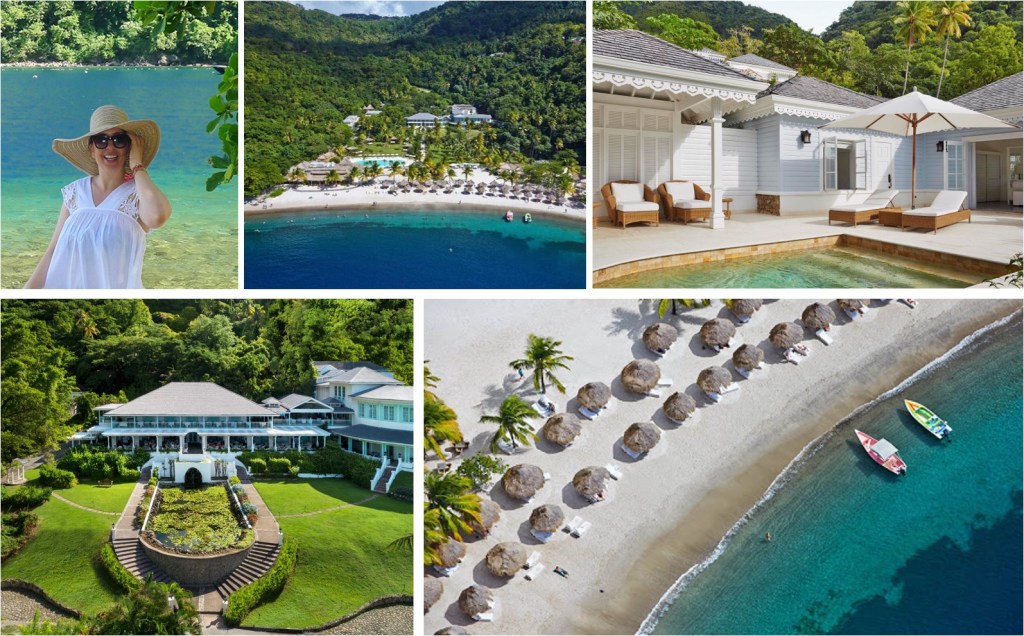
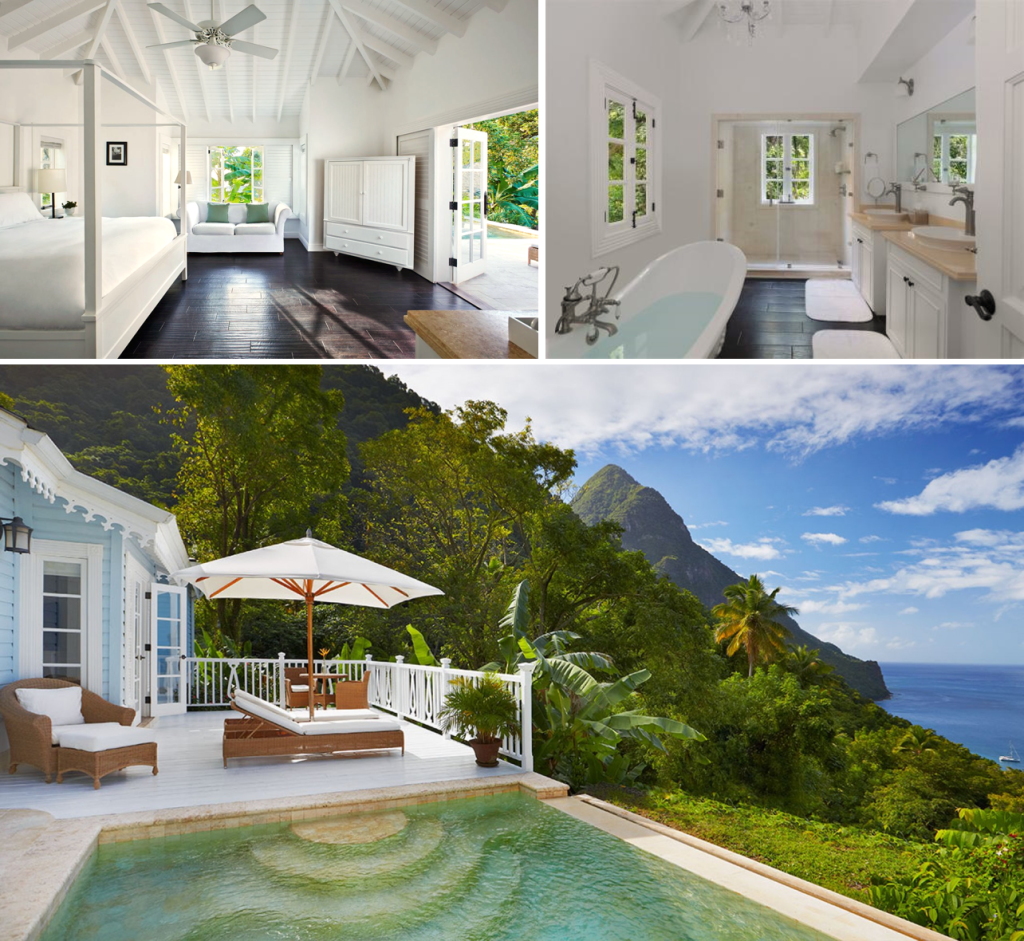
I’d heard this was a beautiful place with luxury service in a fabulous setting, so my expectations were, quite simply, sky high. We arrived early on a Sunday afternoon, skipped the usual check-in stop at the reception desk (at the Sugar Beach, check-in is done in your room) to be greeted by our butler, who took us up a short flight of steps to our little villa, which included a large suite with a bright and wide bathroom, a walk-in closet (we all know how much I love those), a little bar area, and, amazing perk, a tropical garden with our very own pool… The furniture is all white, like the walls, doors, and shutters, everything designed in pure island style, and within a couple of hours I felt myself relax in this blissful environment. In all honesty, they had me at ‘no check-in’ (after a long-haul flight from Europe, with a toddler in tow, you’ll be grateful for any shortening of the formalities and barriers between you and the beach).

The resort is small, with cottages and villas nested in the lush rain forest between Saint Lucia’s famous two pitons, on the site of an 18th century plantation. The location is totally iconic, with breathtaking views whichever way you look with the most glorious little crescent of white sand right in the middle. The beach is dotted with the most comfortable beach loungers I’ve seen, and the huge coconut straw umbrellas are big enough to shield you from the tropical sun all day long. I think if that if paradise does indeed exist, it should be part Sugar Beach part Rue Saint-Honoré…

We ended up spending many days on that beautiful crescent beach, enjoying the warm water with hardly any swell at all, meaning Little Monsieur swam very happily for hours on end. He did however insist in a little splash in our small pool at the villa at the end of each day, and his squeals of delight were all we needed to know he was just as happy as we were at the Sugar Beach.

Food is equally lovely, with breakfast served on the terrace of the main plantation house, and a choice of settings for lunch and dinner as wide as you want them. We never felt over-crowded, and the guests were a nice international mix of honeymooners and families with children. There is a spa up on tree houses in the middle of the jungle behind the original sugar mill buildings, I did spend a pretty fantastic afternoon there getting pampered to the singing of tropical birds (and maybe mosquitoes,… maybe).
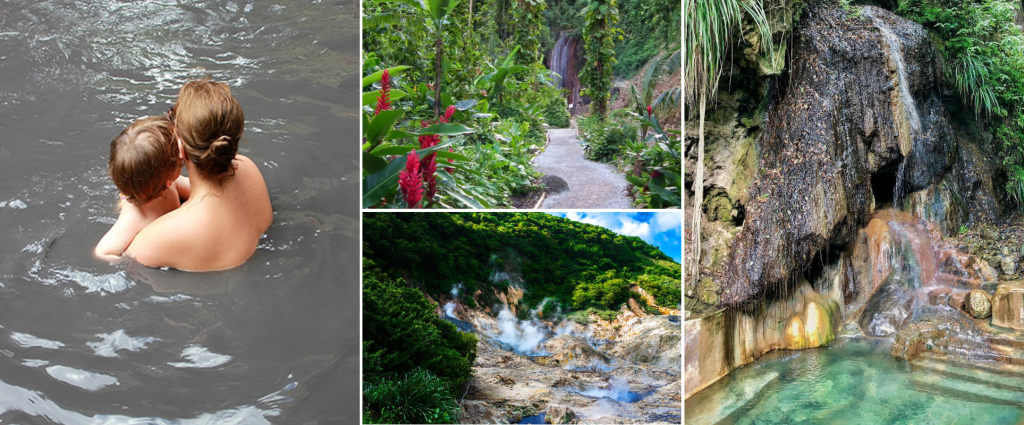
When we did venture out of the resort, we visited the Soufrière region,  where the sulphur springs, botanical gardens and gorgeous waterfalls left us in awe of the wonders of the island. Little Monsieur, barely two and a half at the time, really enjoyed himself during these visits and when we got to the mineral baths at the sulphur springs he was adamant he wanted to apply the full body mud mask on himself, and swim in the warm bath, and so I had to give in and jump with him, despite being a bit cautious at first, seeing as the water is quite hot! We all came out with super soft skin, although each pore seemed to have absorbed a tiny bit of the iron-sulphur powder mix which wasn’t quite washed out by the baths cold showers and almost had to be scrubbed out in the comfort of our bathroom later that day… The swimsuits we wore that day still have a grey tinge to them, all these years later… In Castries, the capital, we enjoyed the colonial landmarks and the beautiful arts and crafts market, although all in we were very happy during this holiday to just chill most of the days.
We’re a little far from the Caribbean at the moment but I am sure that we will be back, this time bringing Little Madame with us, to enjoy the beauties of this very special place. After all, I missed the hikes (this holiday was before I discovered my love of a, ahem, fitter life), and just that beach is worth getting on a plane for.

With love, S.
Ostriches and blue lagoons in Churchhaven

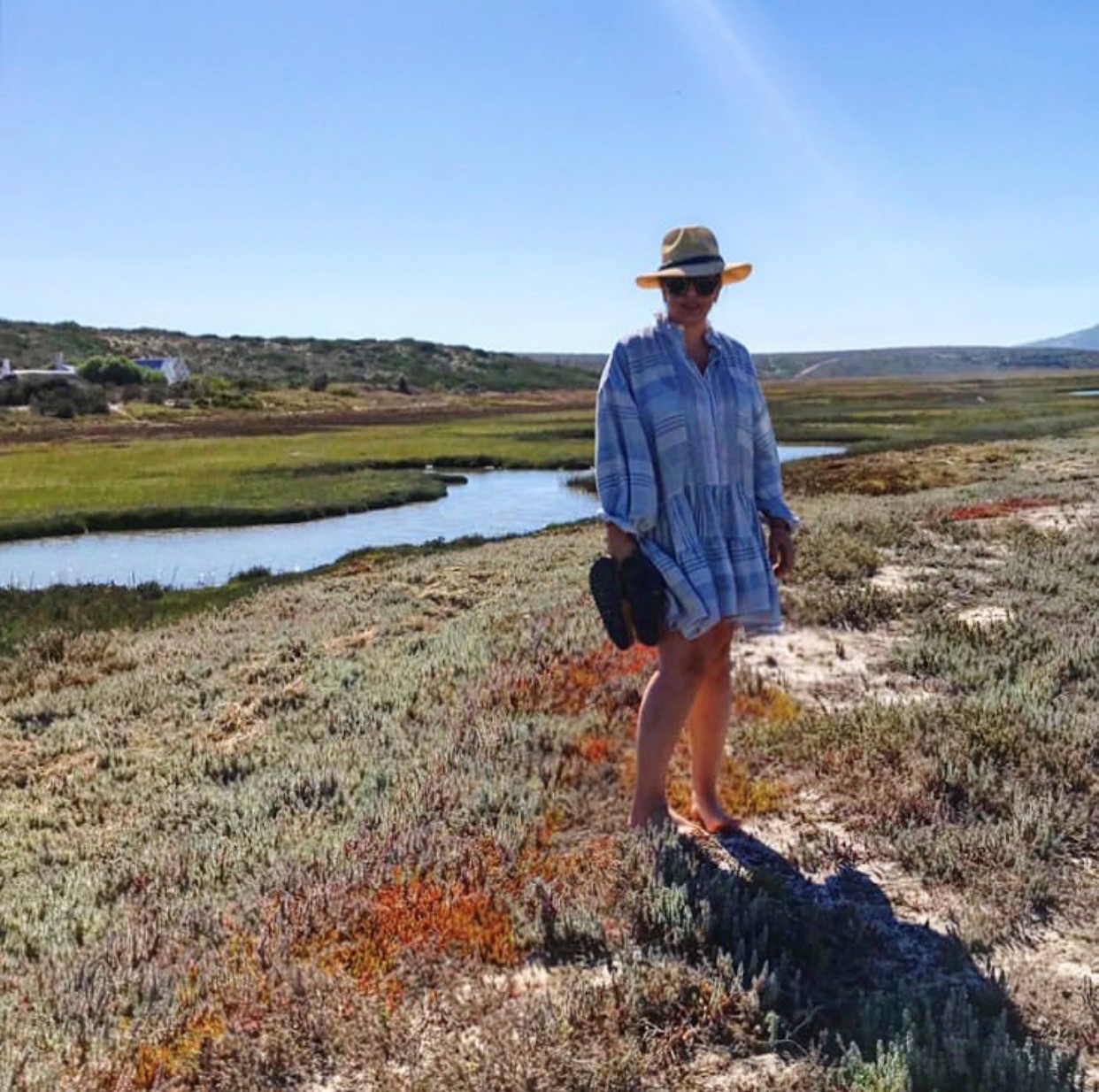
One of the most beautiful places to visit in South Africa is the West Coast National Park, which lies just an hour drive away from Cape Town Airport yet features some pretty amazing scenery and incredible wildlife, not to mention the lagoon where I have finally been able to find water warm enough for me to swim in… By warm I mean not as cold as the rest of the region, but it’s still pretty chilly.

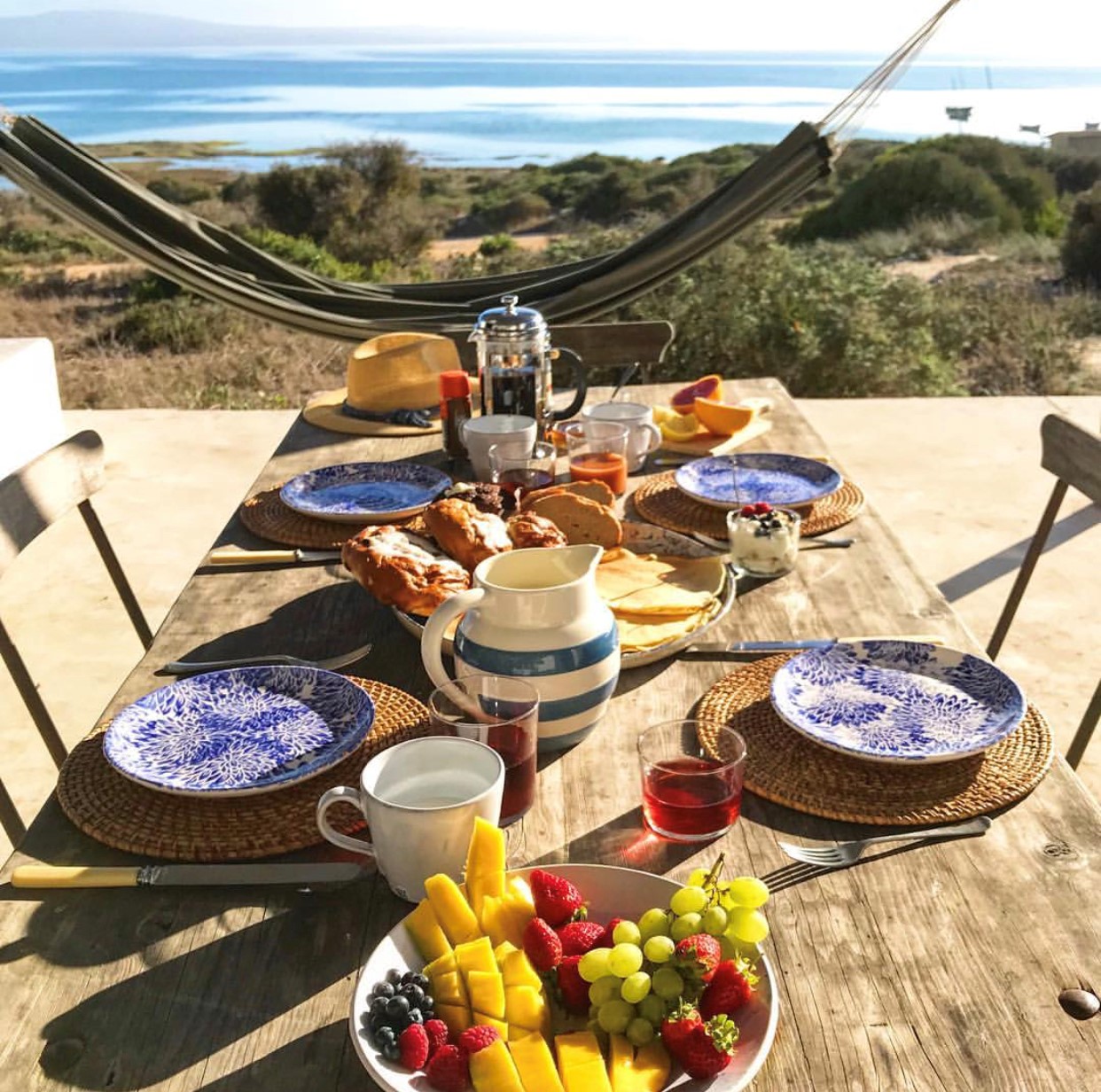
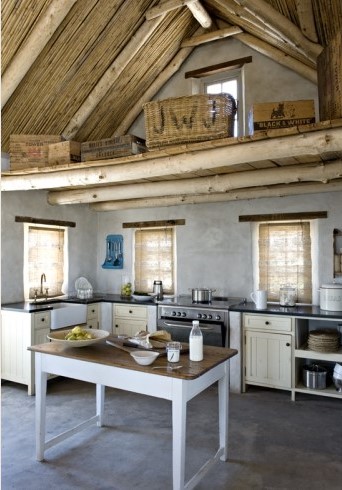
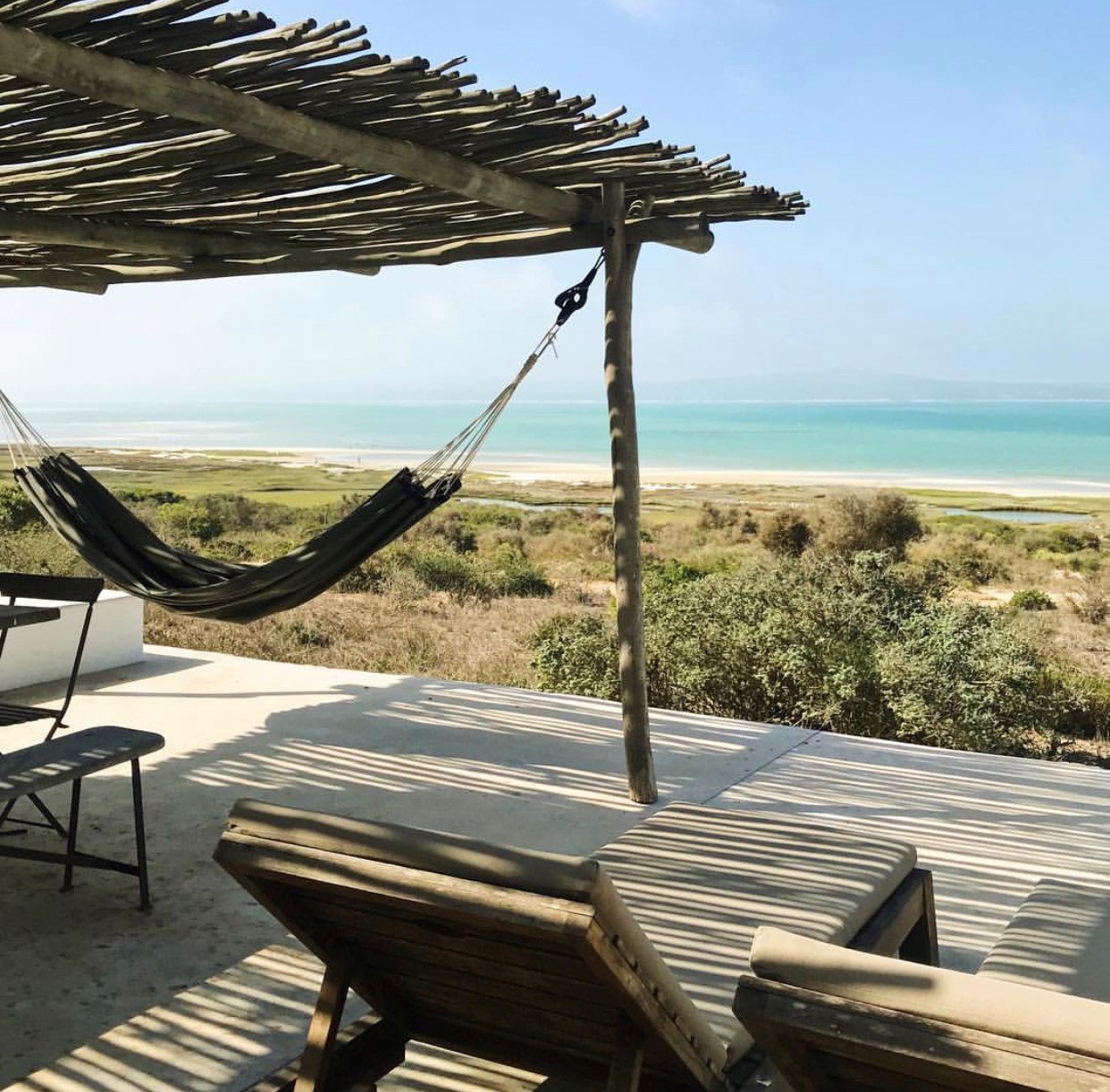
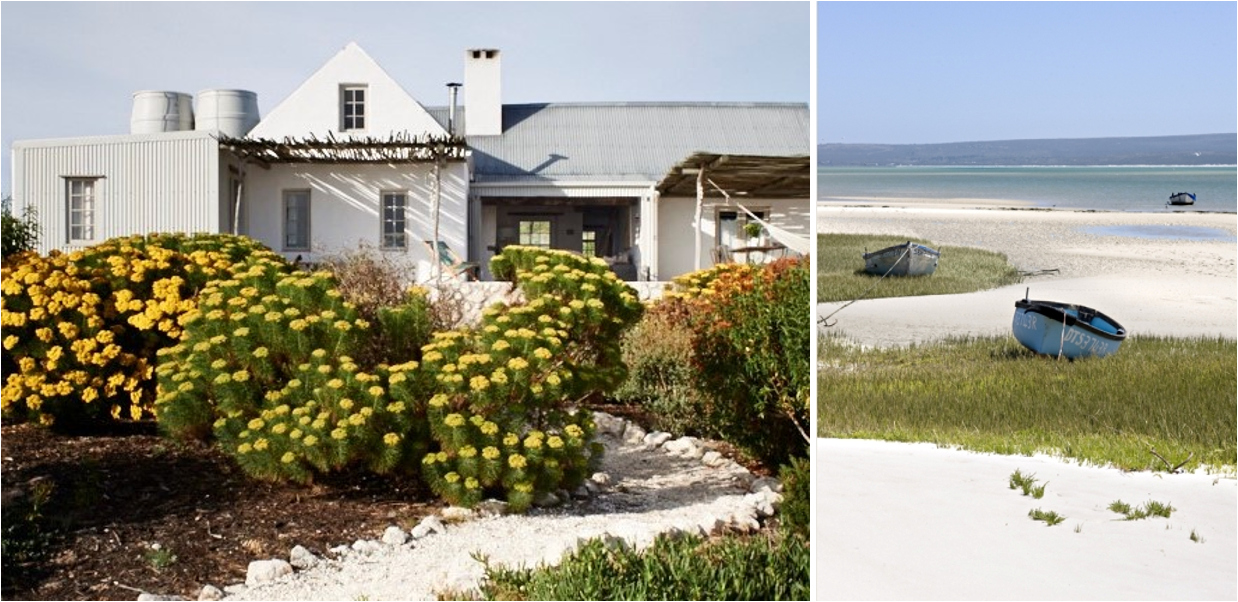
We rented a fisherman’s house in the off-grid village of Churchhaven, which is located inside the the West Coast National Park, right outside the Postberg Flower Reserve. The village was once the home of whalers and fishermen, and has gorgeous white-washed houses, which have now been refurbished as holiday homes. We rented Whaler’s Way through Perfect Hideaways. This is the perfect place for off-grid relaxation and some peace and quiet, especially if you come outside of the most popular times (usually August to October when the flowers are blooming and during the December holiday month). We came in February, it was blissfully deserted.

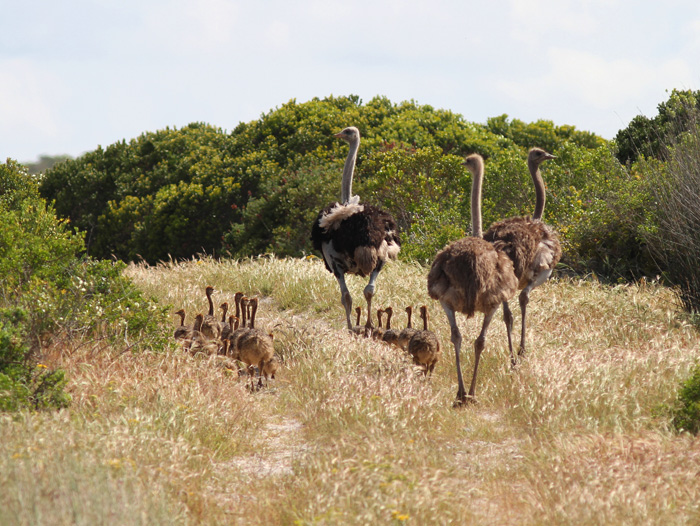
The West Coast National Park features a flower reserve which is incredible during Spring, but it also houses over 250 bird species including flamingos, ostriches, etc. Funny story: on one of the nights, I woke up convinced someone was roaming on the gravel right outside of the house, it was in fact a couple of curious ostriches. Flamingos would walk in the lagoon in front of the house most afternoons. On the sea-side, we could spot many marine birds, as well as sea lions. In the Postberg section of the park we saw some kudu, mountain zebras, and of course springboks… If you come during September and October, you may be lucky and spot a whale or two, and some dolphins.

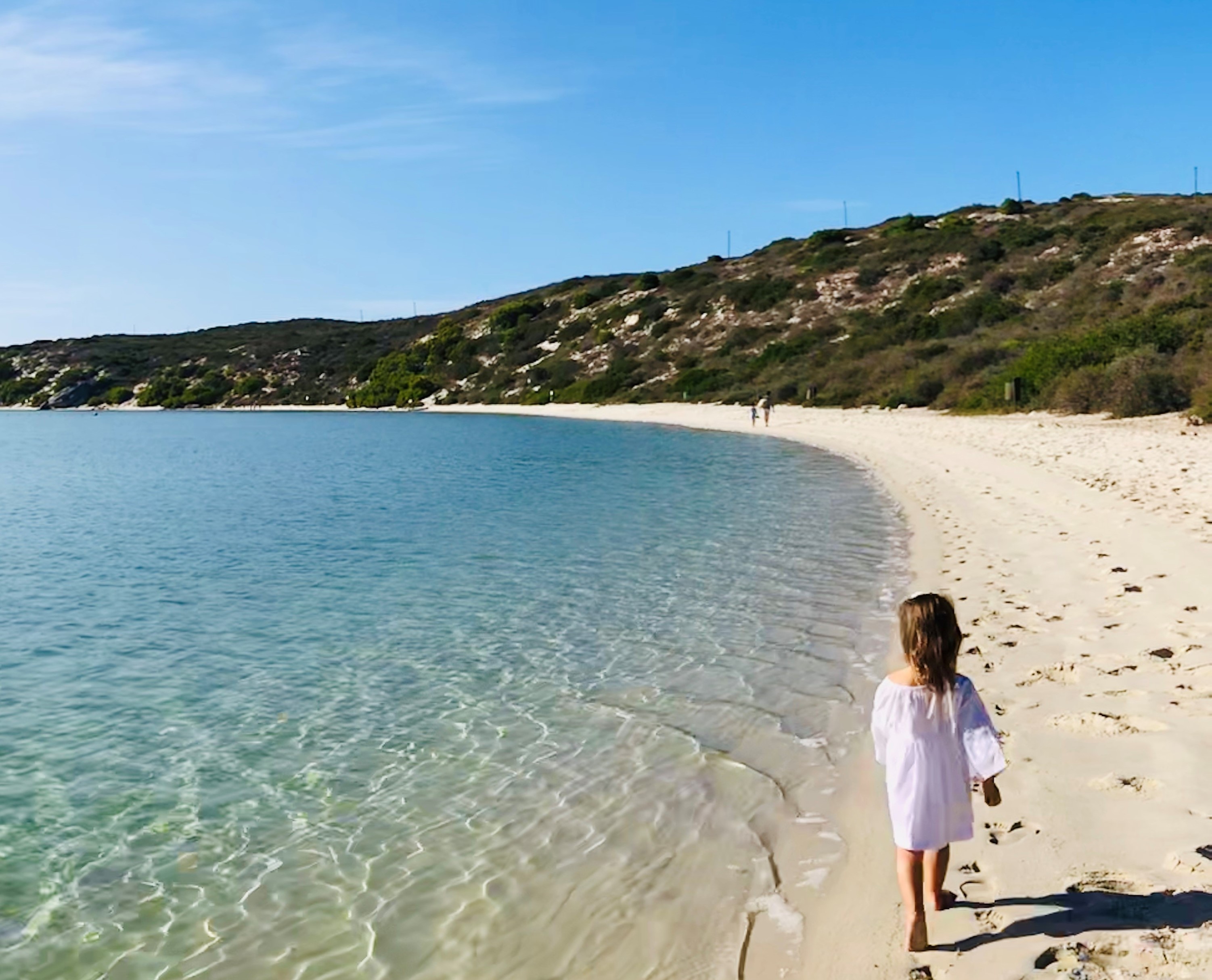
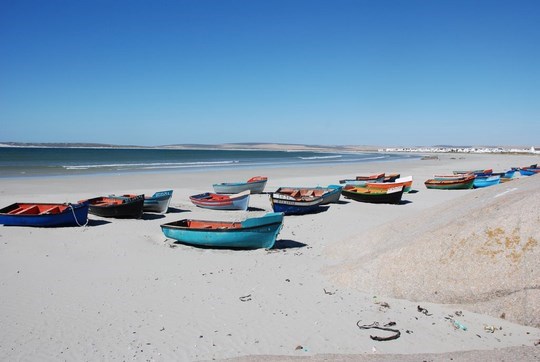
There are many hiking trails in the park itself but our favourite outing was KraalBaai just five minutes from Churchhaven, it has the most transparent water and whitest sand I’ve seen in South Africa, and yes as I mentioned, warmish temperature, good for swimming! The water is shallow and super safe for the children. We really enjoyed watching time go by and reading on the terrace of the house, looking over the lagoon and seeing the light change as birds came and went… We did try to walk over to see the flamingos up close a few times but they are very skittish animals, they don’t like company much.

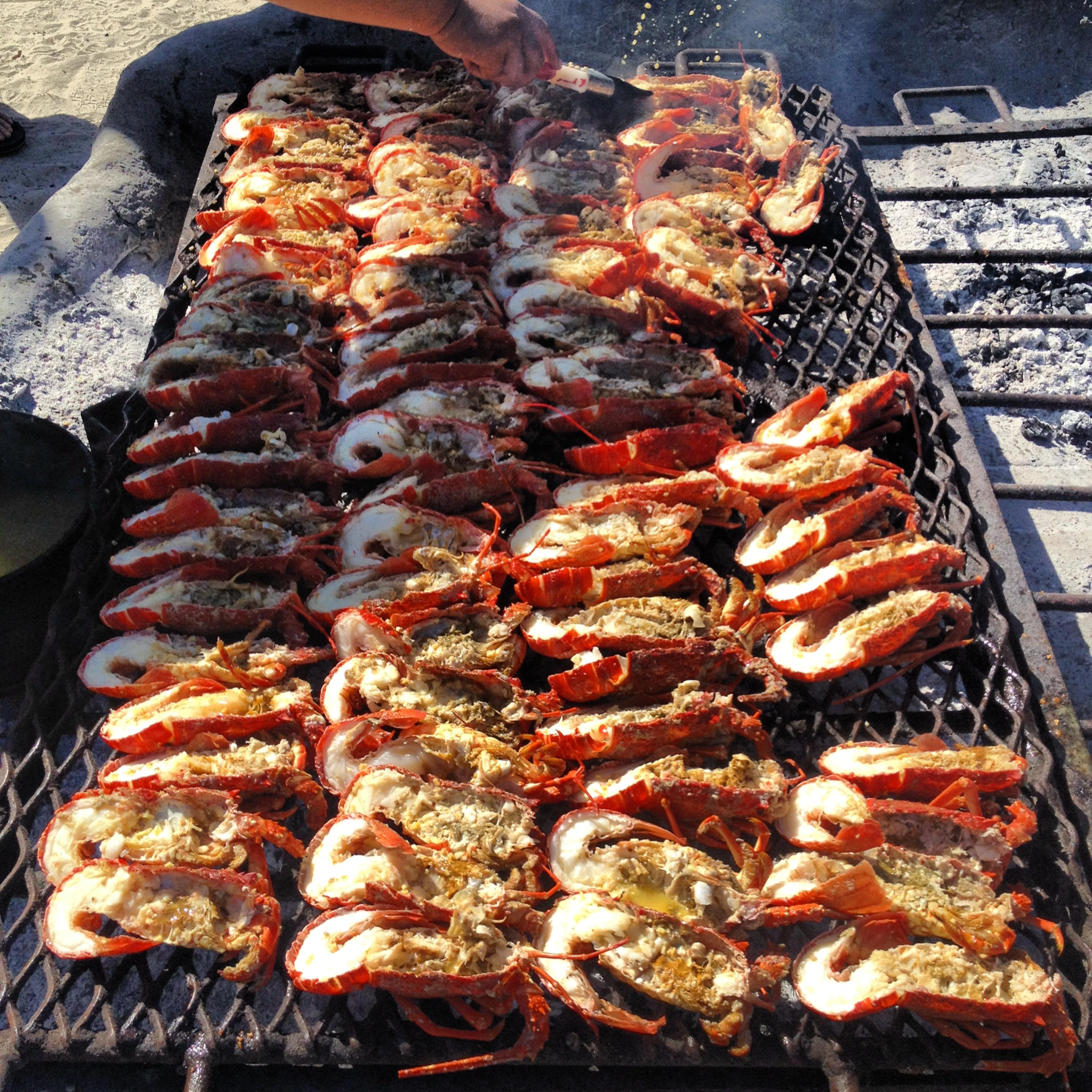
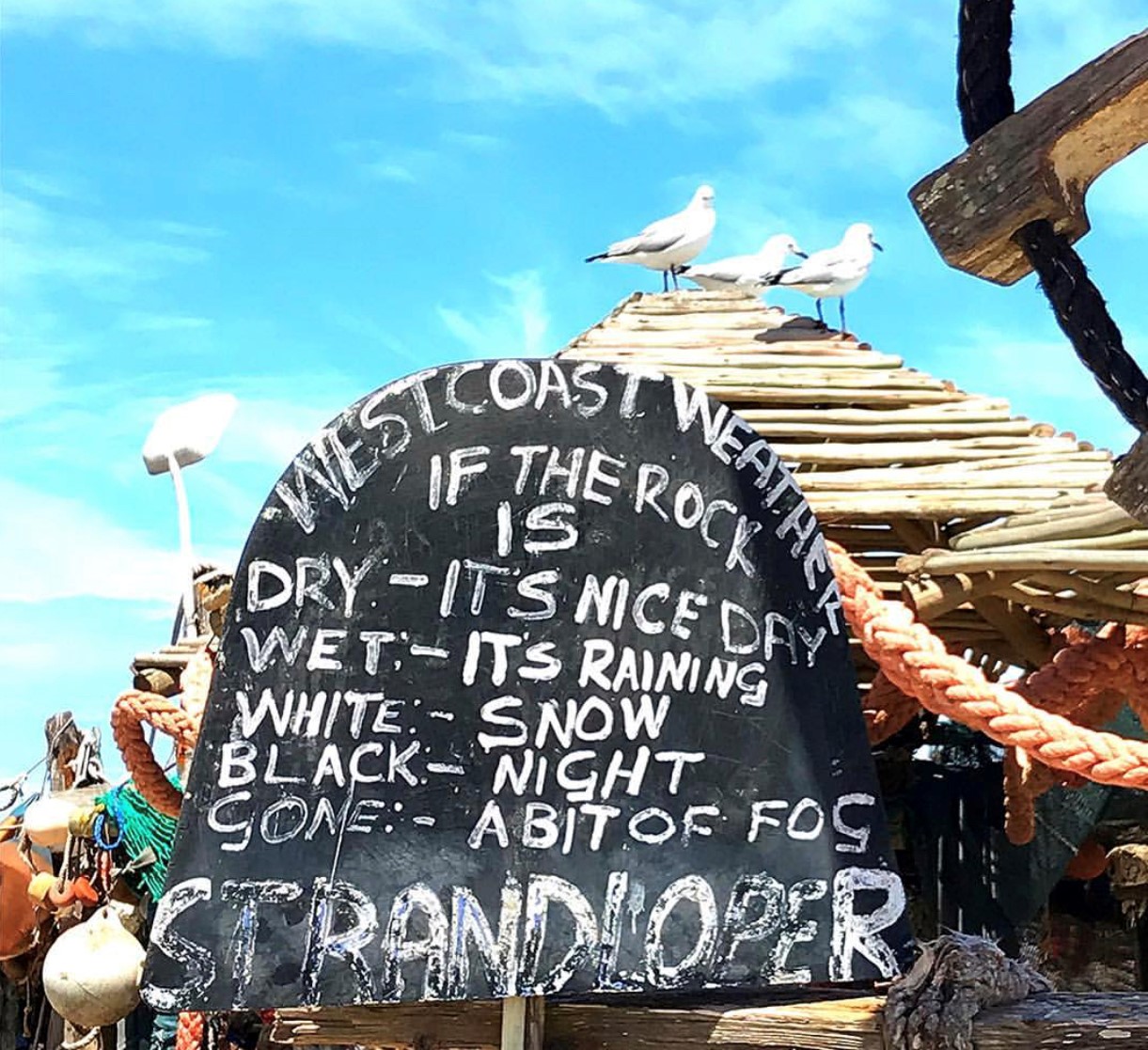
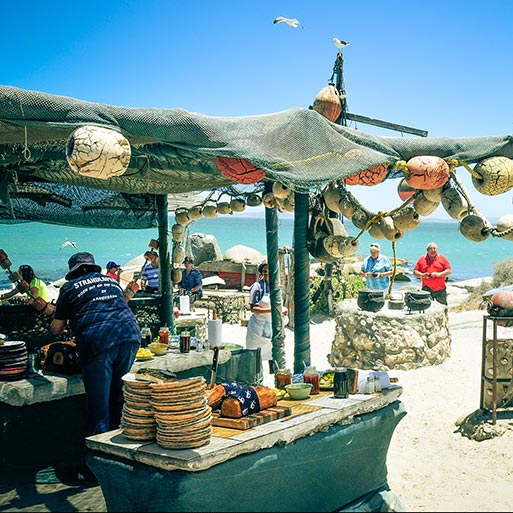
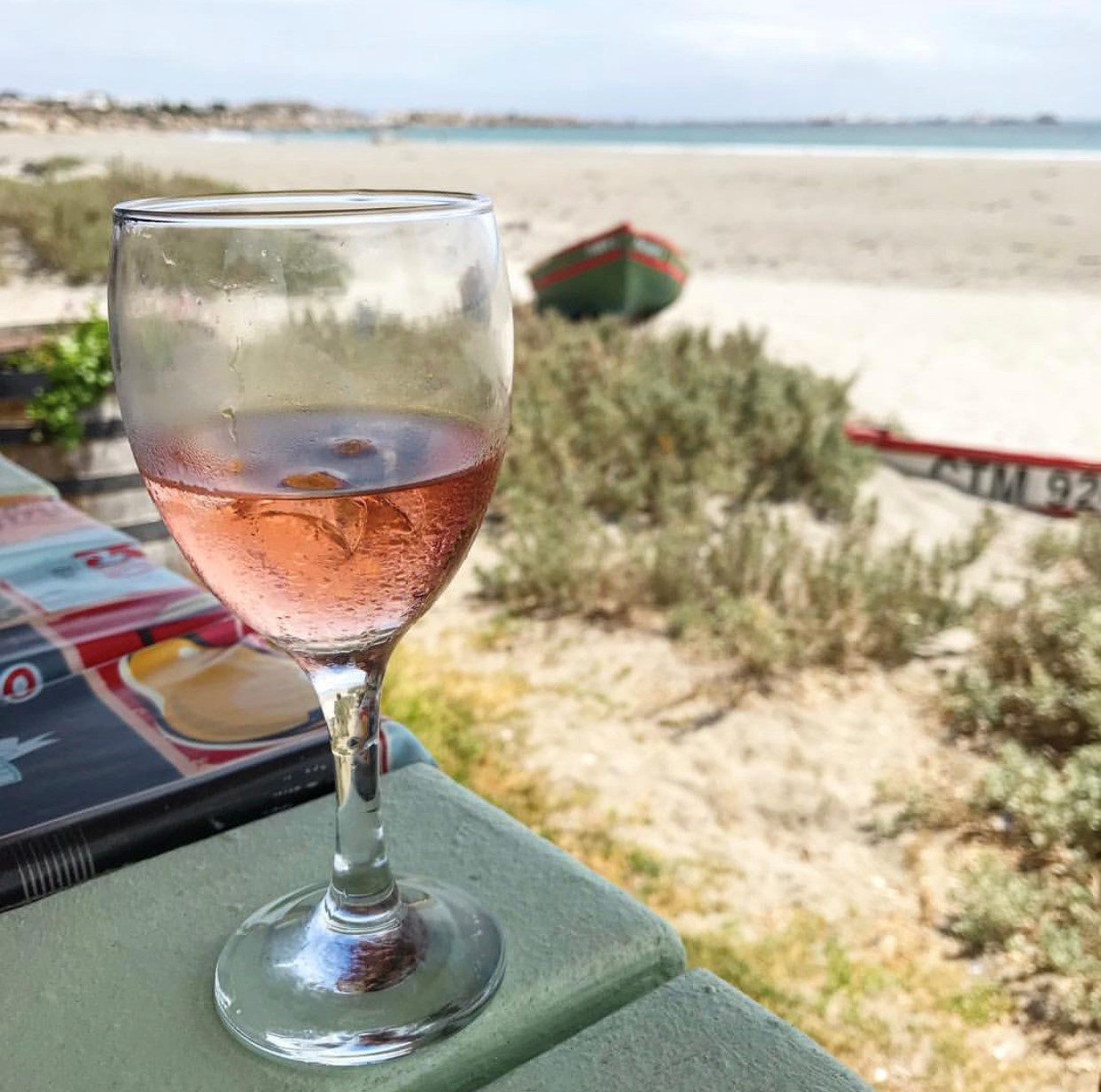
A few great outings just a short drive away are Yzerfontein (surfer’s paradise), Paternoster (a bit like a Greek village if it weren’t for the super long bay and the waves) and Langebaan. We spent a delicious afternoon there at Die Strandloper, a seafood boma restaurant by the beach, where you come with your own wine and then lazily graze through the most amazing seafood dishes (ten in total), all cooked on open coal fires on the beach, as your children make sand castles by the tables, and someone plays reggae tunes on a guitar. We were so spoiled we were sent away by the hostess with a loaf of their fabulous freshly baked bread to enjoy with breakfast the next day. I cannot recommend the place enough.

My advice, come to Churchhaven for the quiet off-grid life right by the edge of the water, the unspoilt surroundings deep in a natural reserve, don’t expect a nightlife (bring some good books), and expect to just chill, cook, eat delicious seafood. Remember you can find this trip in my Instagram highlights, it’s under Churchhaven. We combined this with a three-day stay in Cape Town, for the perfect balance. But that’s for another post…

With love, S.

History meets turquoise sea in Puglia

Summer holidays are something I always look forward to, it’s usually our longest vacation in the year, and it’s the opportunity to recharge the batteries after long months at work. Before our babies, we would often go on multiple destination holidays, with a complicated itinerary of culture, nature, R&R and usually a fabulous beach far from most amenities. Once you have babies, you want to try and avoid the flight hops and a good option during the first two to three years is to pick one place and hang there for a few weeks.

So, when Little Monsieur was just over one year old, we decided to go spend our summer break in Puglia. The heel of the Italian boot wasn’t too popular back then, but it was already well known for amazing cuisine, beaches that wouldn’t look out of place in the Maldives, and incredible history and culture.

Where to stay?

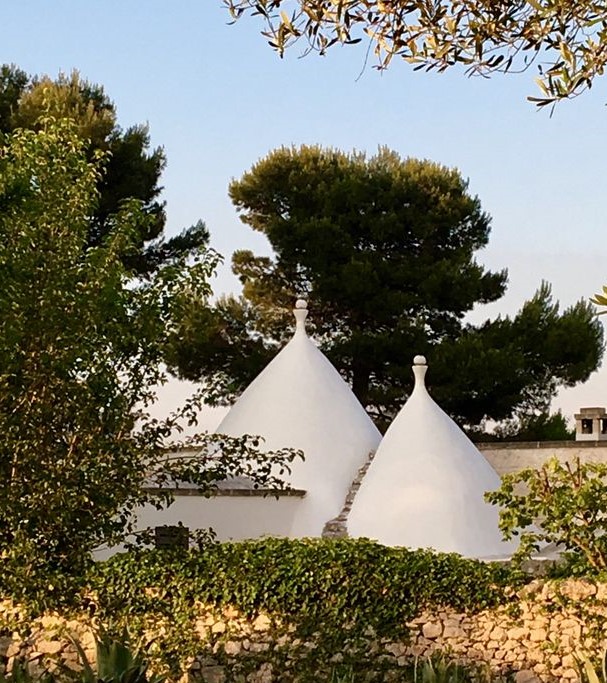
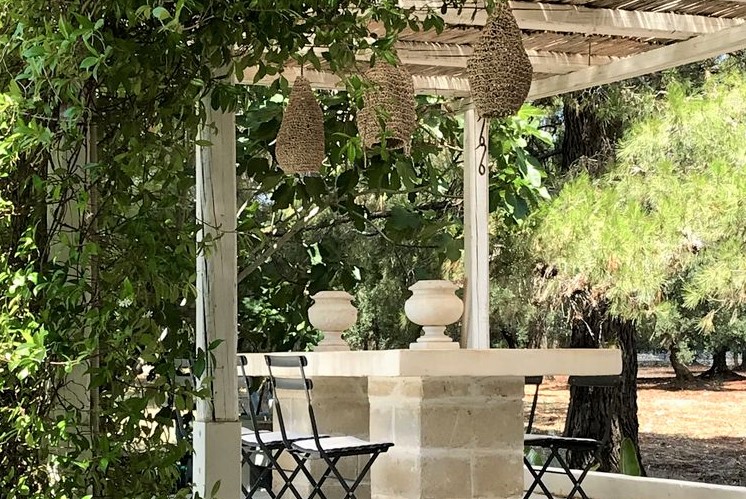
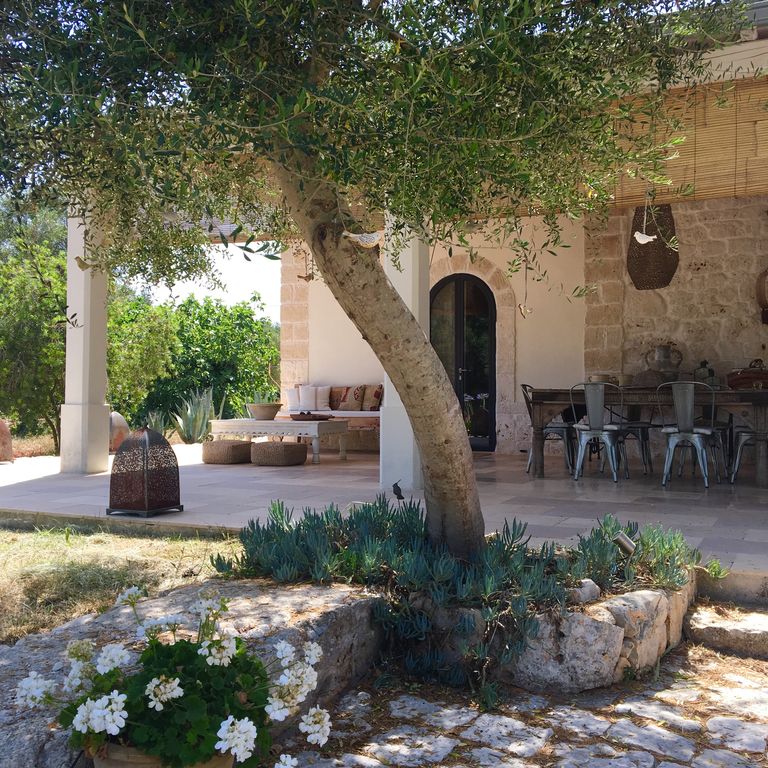
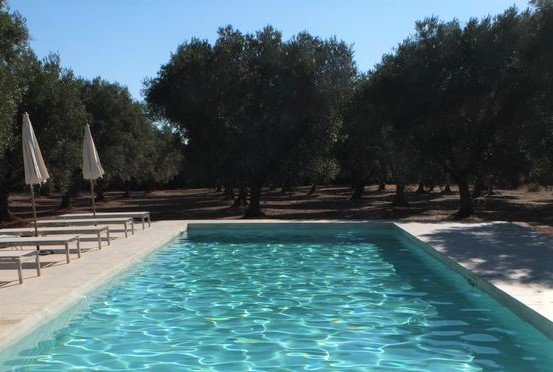
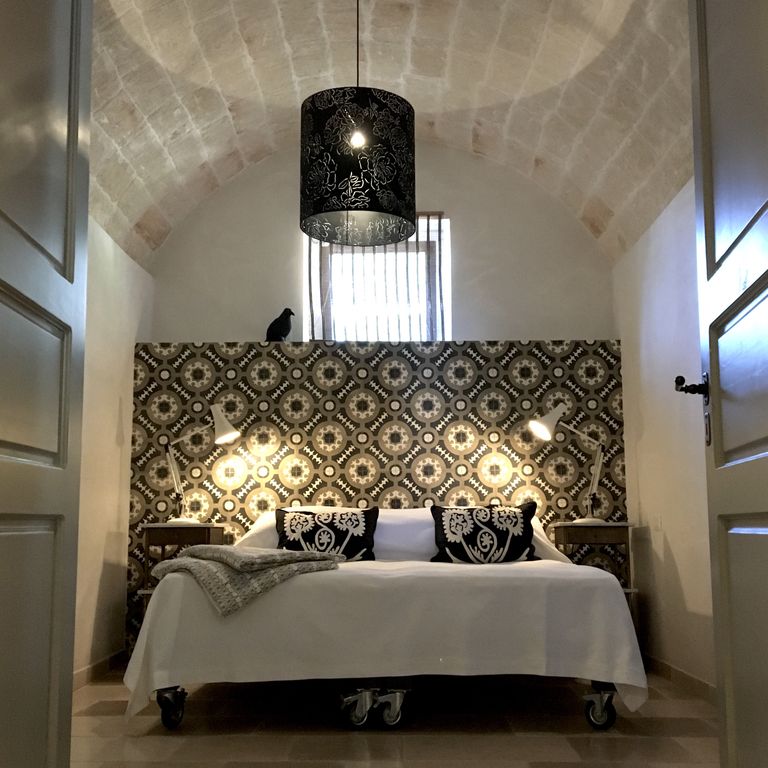
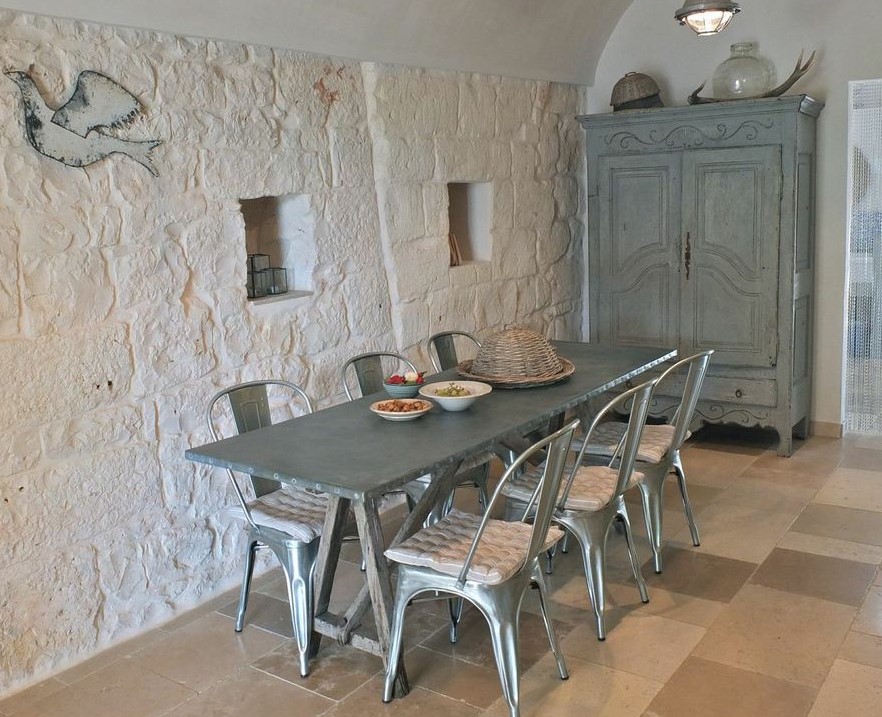
There are a few hotels that are quite lovely, and a couple have even become the Summer offsite of choice of many Chelsea-ites, but with a little toddler and my parents joining us we wanted total freedom so we rented a renovated trulli house near Ostuni, with enough room for everyone, a beautiful traditional olive grove, a brand new swimming pool with a garden kitchen, and a lovely herb garden out back. We asked for a few additional baby-friendly amenities to be added, such as a high chair and a cot, and sent a box of baby essentials from London, with swimming pool toys, loads of nappies, and Little Monsieur’s favourite compotes and snacks.

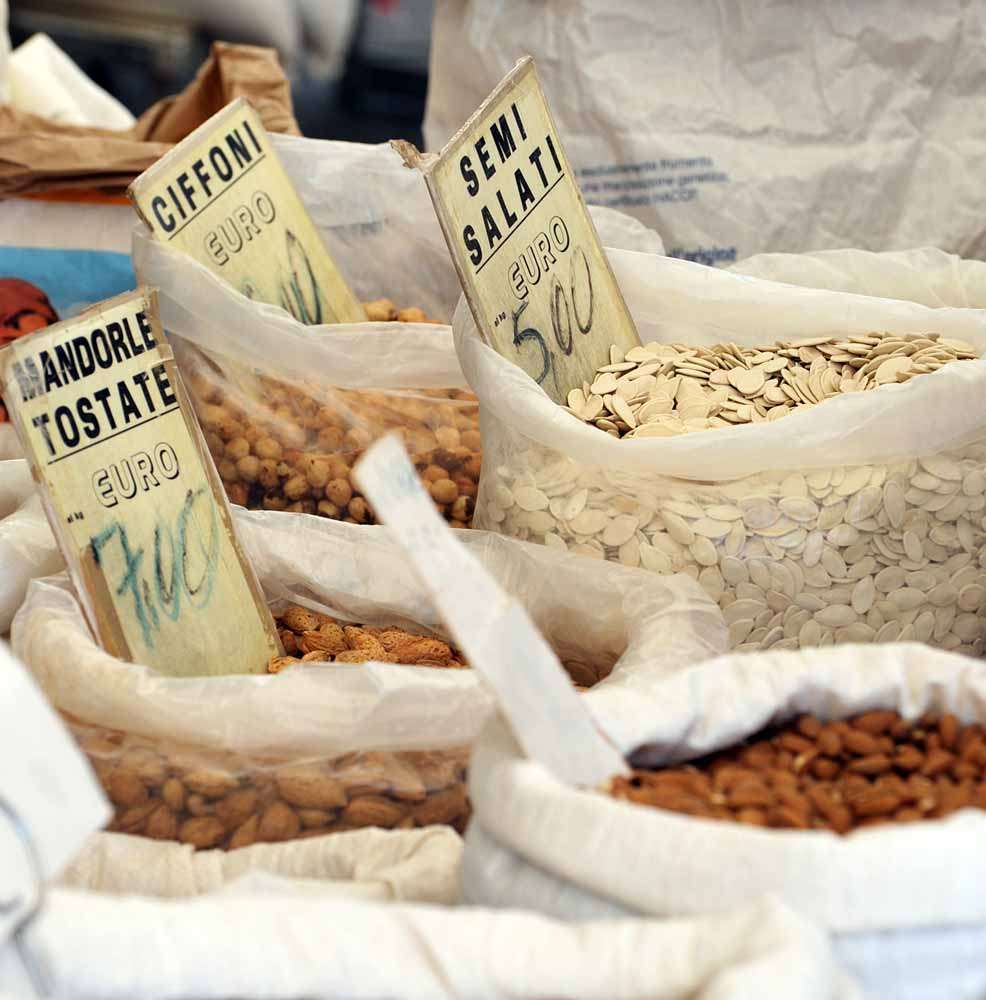
The upside of the countryside around Ostuni is that it feels totally remote and quiet, but you are quite far from the sea on both sides of the heel, but with a couple of rental cars that was not an issue. The pool was plenty for us most days, especially as it allowed us to manage Little Monsieur’s nap times really nicely, as we could put him down in one of the cool rooms and hear him from the garden… I loved having a kitchen, it made going to the market at Ostuni an extra pleasure as I got to play with quite a few ingredients during our stay.

Worth visiting?

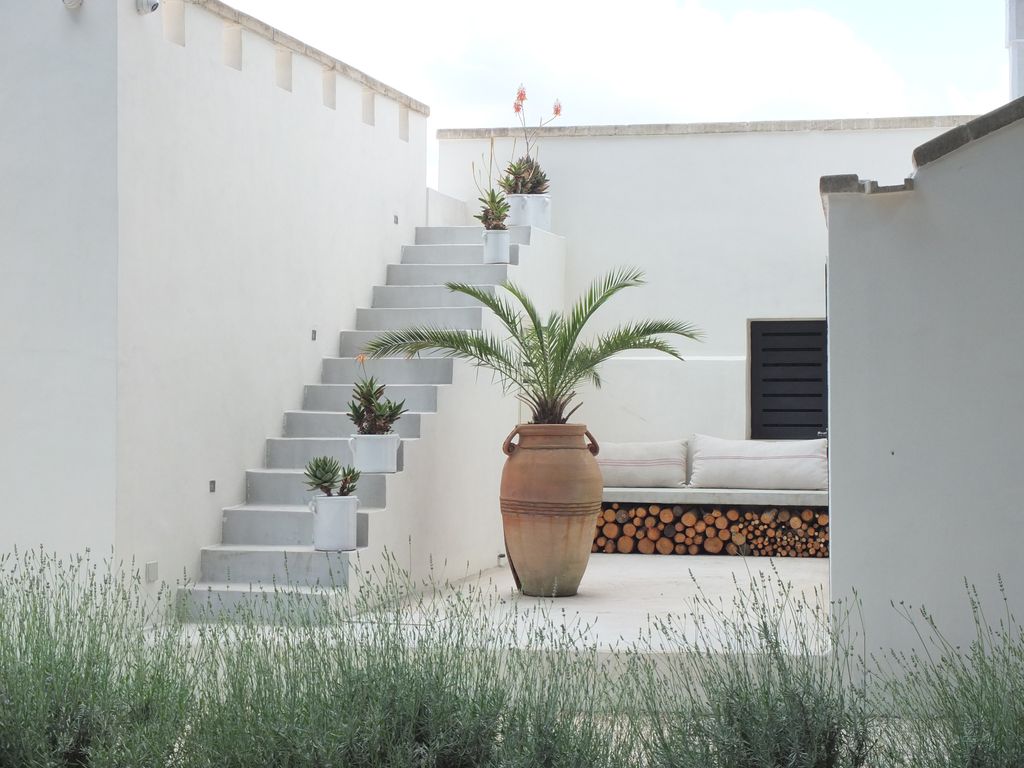
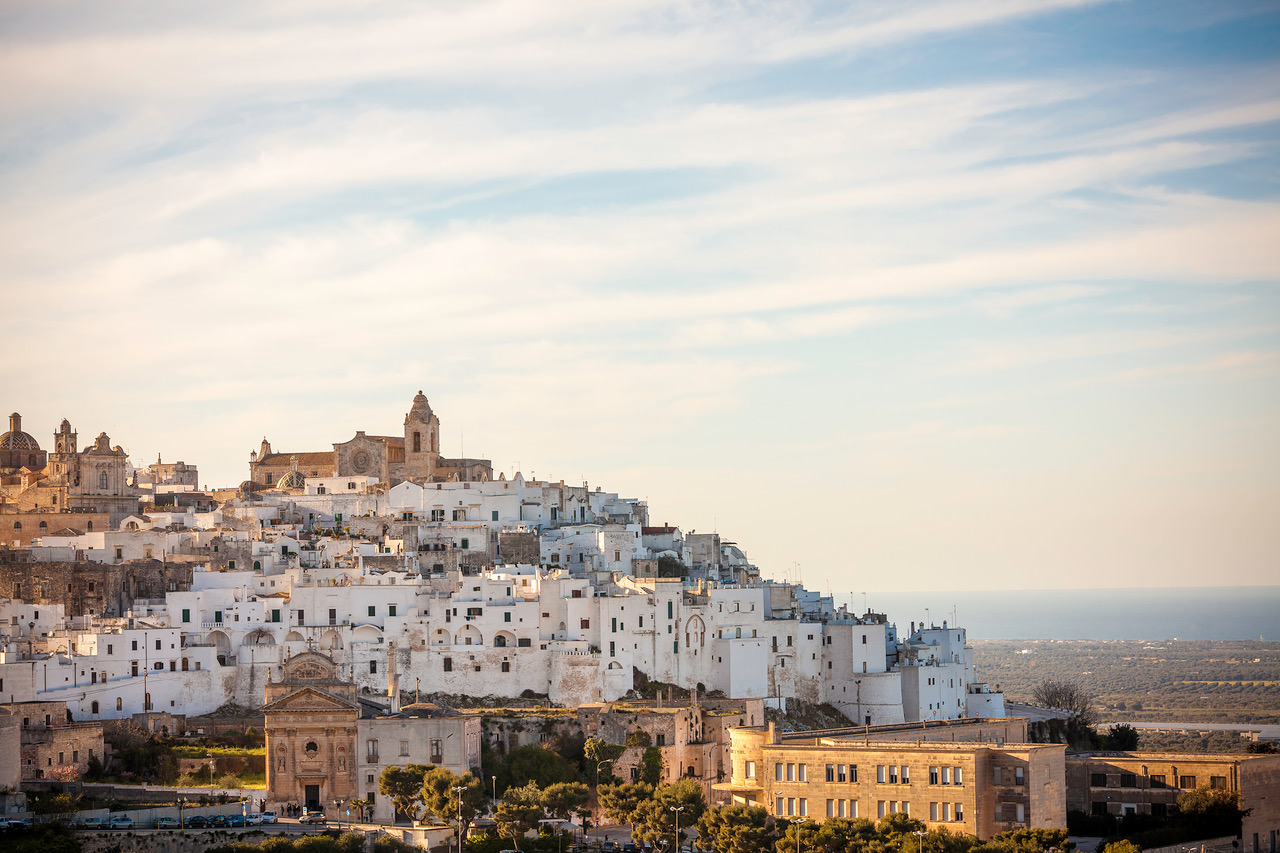
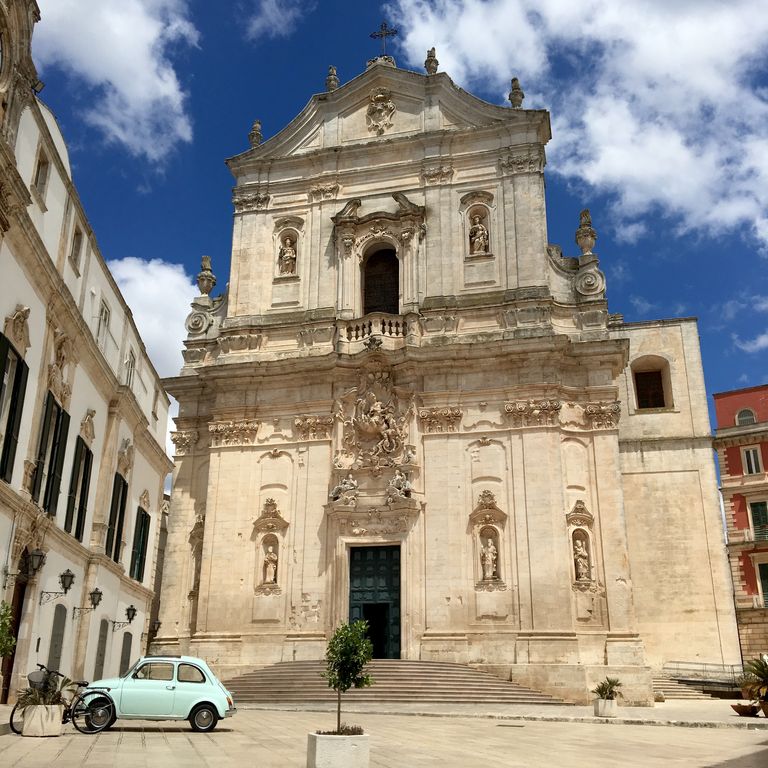
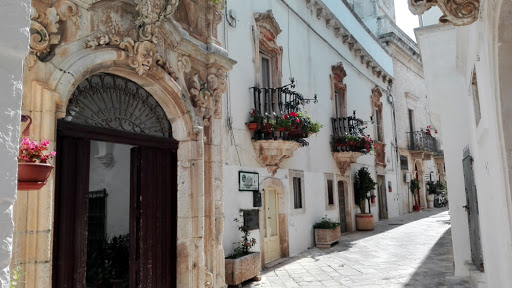
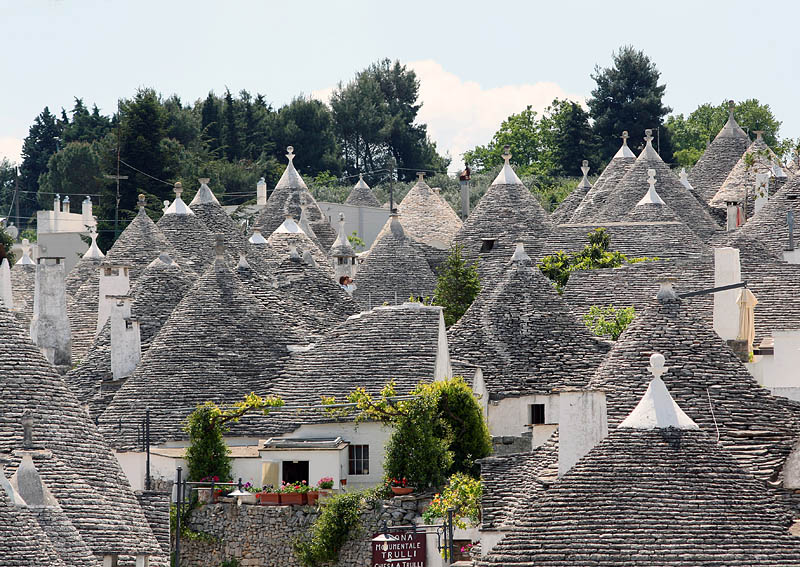
You can decide to enjoy the garden and pool, the weather during Summer here is truly gorgeous and you could absolutely spend days on end enjoying the beauty of R&R. However, Puglia is incredible for its mixed history, spanning from the Romans via the Saracens (with the white-washed architecture of the hilltowns) and the Normans to wonderful Baroque and Renaissance gems (Lecce will leave you speechless), with the distinctly Puglian trulli sprinkled amongst ageless groves of olive trees; these were storage huts with cone roofs, and many have now been renovated into beautiful boltholes, like the one we stayed in.

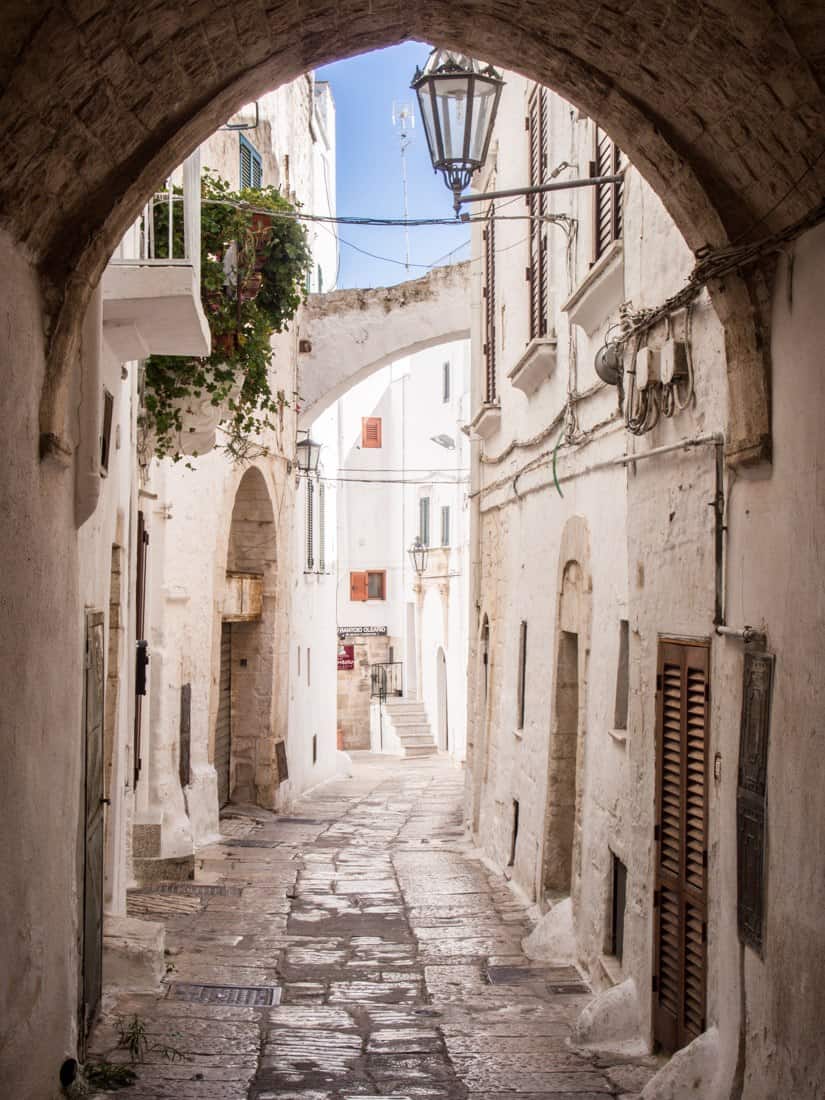
We spent quite a bit of time in nearby Ostuni, with its wonderful market, close-packed whitewashed houses, the beautiful Aragonese cathedral and its very own Puglian ‘bridge of sighs’. The food is delicious everywhere you go here, it’s worth exploring just for the food, and there are fragrant pastry shops and gelaterie pretty much in each town you drive through… And the light, simply magical, makes everyone look good. Though very touristy, Alberobello is worth a visit, it is a Unesco site with hundreds of trulli houses (now mainly tourist shops and cafes) dating back to medieval times. Lecce, also called the Florence of the South is a baroque beauty with dozens of palazzi built between the 17th and 18th century. Polignano A Mare is a gorgeous sea-side town built on cliffs, with a gorgeous little beach underneath a bridge and full of tiny shops and delicious seafood restaurants. It goes on and on. You could spend months in Puglia and not be done.

What about the food?

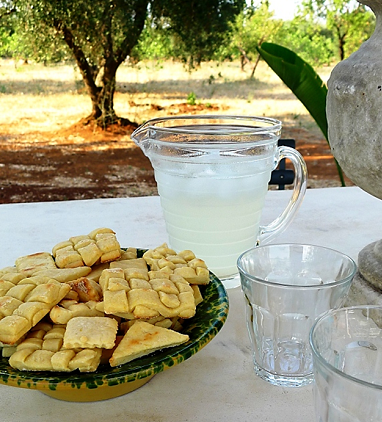
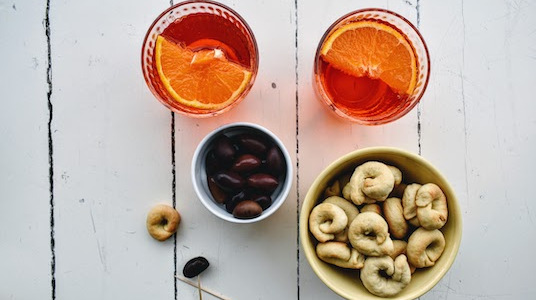
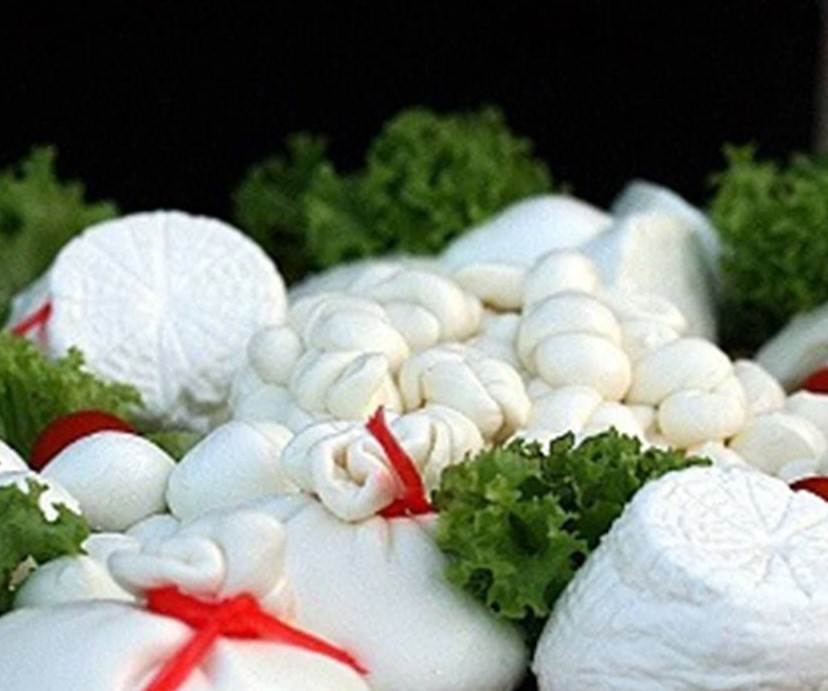
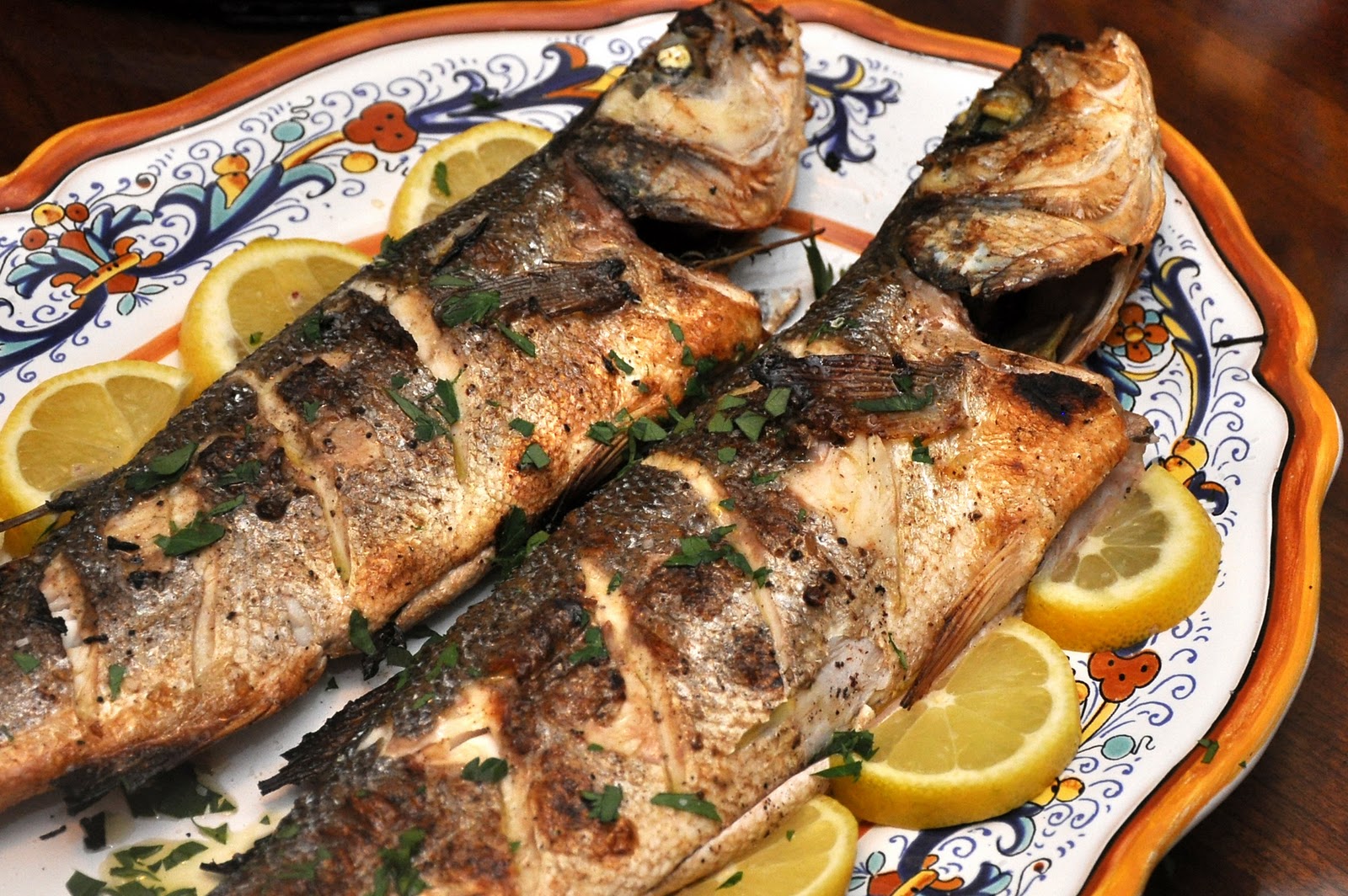
Food is amazing here, in the most humble cafes you’ll drink delicious coffee with amazing pastries, in the smallest deli you’ll find the softest burrata (burrata was invented in Puglia actually), and of course as Italy’s main producer of olive oil, you won’t find anything better anywhere else. Whilst we’re here, have you heard of taralli? Also Pugliese, delicious as antipasto with an Aperol Spritz and some fresh olives. During our holiday, we cooked most days in our holiday rental, sea bass with herbs, octopus salad, courgette flower fritters, fig and almond tart, lemon biscuits. We drank mainly local wine, which is delicious, sparkling water, lemonade, and the best refresher I know: watermelon and mint juice with a dash of lemon.

Wait, this is a Summer vacation, how is the sea?

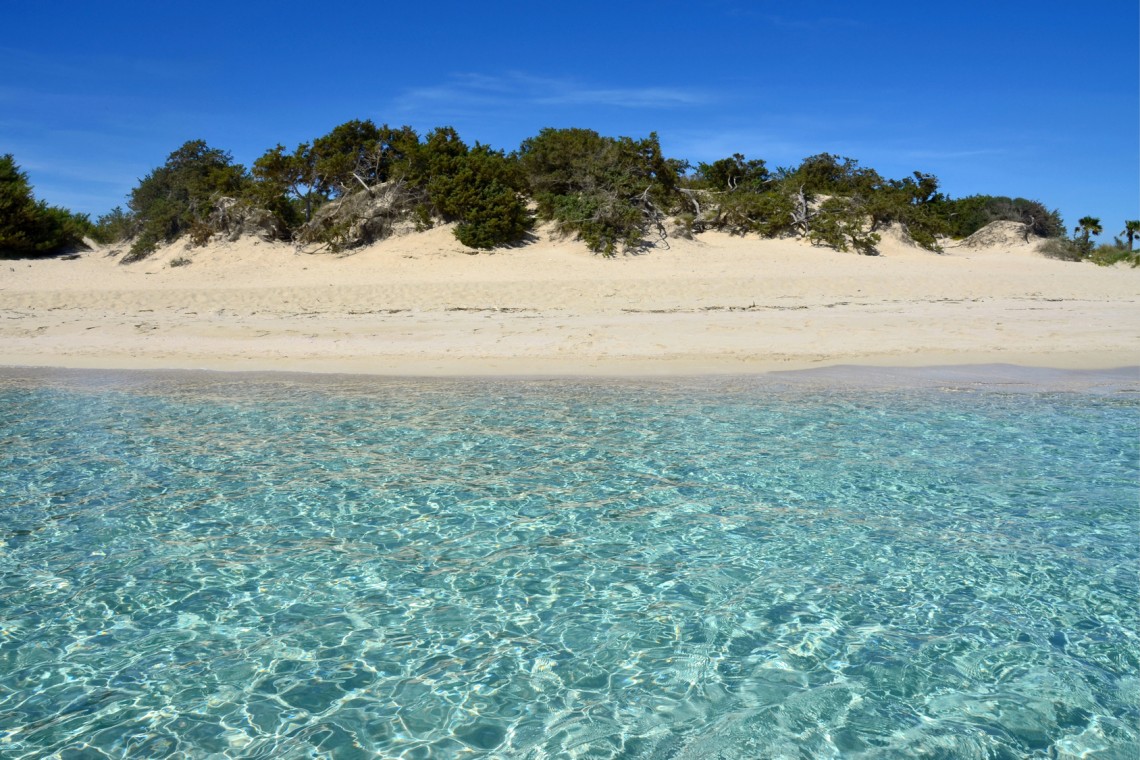
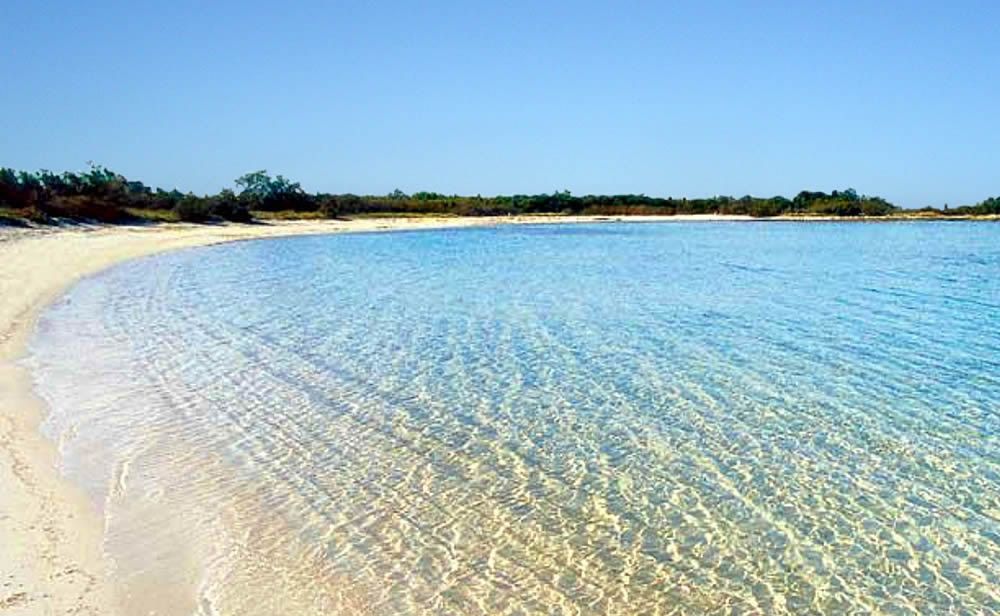
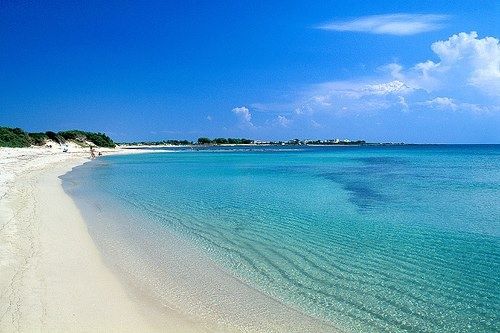
The sea is very clear, very much like Sardinia and Corsica, and the sand is very white, making some beaches look like they belong somewhere in the Indian Ocean… Most days when we craved the beach we drove out to Torre Guaceto, a 7-km stretch of sandy shores by a 16th-century watchtower, which is also a WWF protected area making it a beautiful beach with clear water. Other places in Salento are truly beautiful, but with a temperamental toddler around we didn’t go to that many beaches in the end.. We will simply have to come back.

Top tips for a Summer vacation in Puglia? First bring an appetite… you’ll be eating delicious food for weeks, second be prepared for crowded beaches, these are the most beautiful ones on the Italian mainland so don’t be surprised if you can barely fit space for your towel after lunch, and third, do spend some time driving around and enjoying the region, we did it a little randomly, when Little Monsieur was in the mood for a drive, and each time we discovered wonderful towns…

With love, S.

Morukuru, our borrowed home in the bush

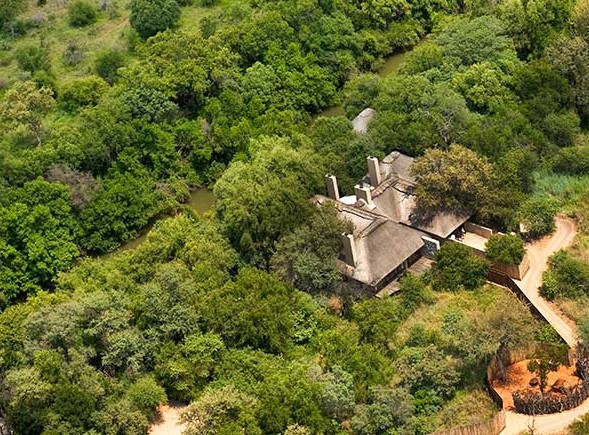
Moving continents like we did a couple of years ago is a big adventure, and I wanted to celebrate our arrival by going on safari as soon as we arrived, showing our little travellers just how wonderful our new home country was. One of the first things I did when we moved to Johannesburg was research safari options that would accommodate our littles, not just at the lodge, but also on the game drives. Not many places are flexible about it, with most only allowing children on game drives after the age of 12, some after the age of 6, and a lot of lodges will tell you to bring your children and leave them with the lodge babysitter whilst you go on safari… I’m still not quite sure what the point of that would be (come all the way to the bush, then leave your child with a stranger in a closed room with videos about animals whilst you go enjoy a game drive?) but thankfully I soon found out about Morukury Family and their houses in the private section of the Madikwe game reserve.

Where is it?

The Madikwe Game Reserve is about 4 hours drive away from Johannesburg, although many tourists fly here from ORT with the small planes, as there is a landing strip. It’s a “Big Five” reserve and is malaria free, so quite popular with families, but not many of the 20-odd lodges in the public reserve side can welcome children as little as two.

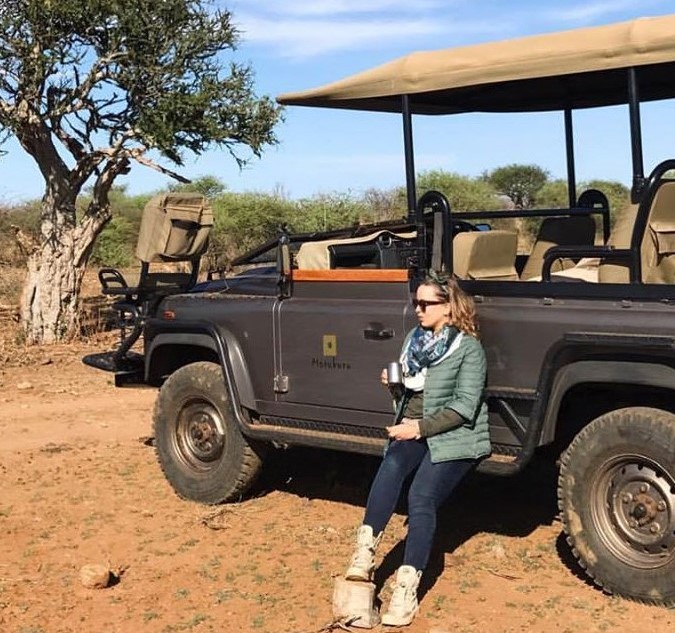
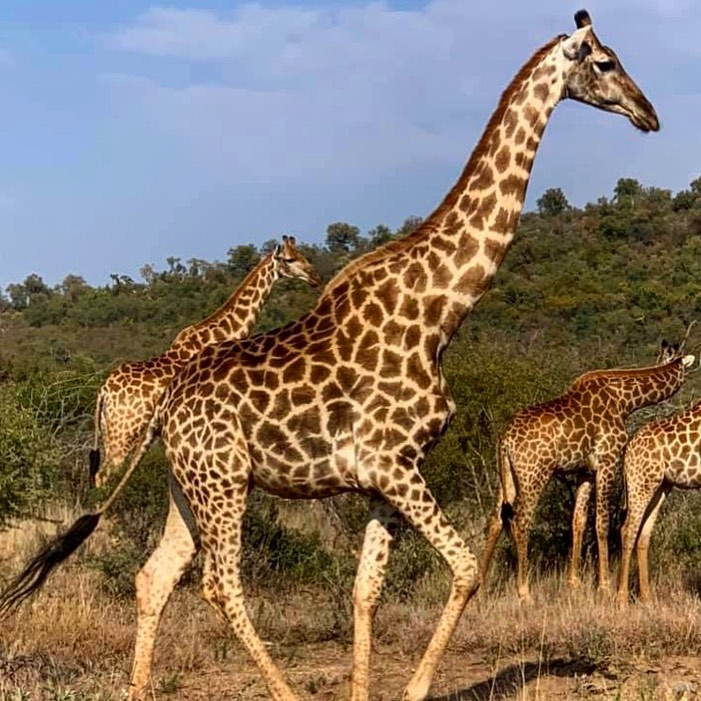
Being entirely private, Morukuru allows babies on game drives, and the ranger then exercises their discretion on how close to get to animals or how long to stay at a sighting, depending on how the littles in the car are behaving. It also means everything is adapted to you and your family, so if baby needs a later start or if your son doesn’t eat tomatoes, then things will be arranged exactly to suit you. And bring a baby we did: on our first visit, Little Madame had a baby seat and drank her bottle on the sunrise drives, although she did express a strong preference for sitting on her dad’s lap and really got quite interested when she saw her first cheetahs, inquiring if she could go play with the kitties…

Which Morukuru house is best?

We are now Morukuru veterans, having visited the Madikwe houses four times and stayed in all three of them, although Owners House is my favourite. It’s by the river, with two beautiful suites and a number of decks and terraces overlooking the water and the tree canopy, and the swimming pool is laid on a nice open flat area on the side of the house, which is very reassuring when you come with tiny ones: we did spend quite a few afternoons here enjoying Pimm’s whilst our munchkins enjoyed a swim, even in the dead of South African winter (when the temperature around 2PM is a balmy 30 degres celsius, don’t worry).

River House is a little bigger, very close, but the swimming pool has a sharp infinity edge I’m not totally fond of especially when my children see that as a perfect jumping edge into the water… Farm House is set in a completely different part of the private reserve, meaning you don’t get the river landscape, but it’s bigger and has a wonderful lawn where nyalas come to graze and children can roam wild, and the lounge features a very cool bar and many comfortable sofas, making it the perfect house when we came with my parents and a couple of friends last year. All three houses are beautiful, and whenever we are back I always feel like the luckiest girl ever regardless of which one we stay in.

What’s so special about Morukuru?

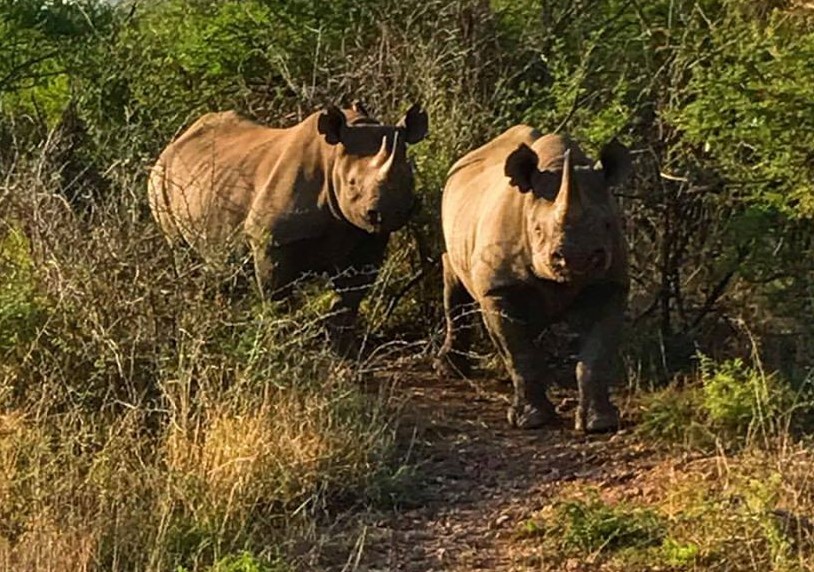
This place is magical, it feels like having your own private house in the middle of the bush, complete with a full staff and a ranger and tracker team whose sole concern is that you have an amazing time. We rarely come for more than three days, usually long week-ends, and always ask the same ranger – hostess team as we love Evan and Ilse and they looked after us on our first stay, but each time the experience is truly unique. The animal sightings are of course fantastic, especially if you consider that Morukuru is set in a private area where at most three cars will be out at once, so we were the only ones around when we spotted that two-week old baby rhino on our second stay, and when we’re lucky we get a breakfast feast in their special viewing deck by the watering hole, meaning we get to enjoy the most special spectacle as we’re sampling 3-star worthy food.

When we first came, Hubby Dearest and I had a special anniversary to celebrate, and of course the team prepared a surprise dinner for the two of us, and Evan and Ilse had dinner with our two munchkins whilst we had a romantic meal outside on the deck. On the same stay, we saw some amazing sightings, including spotted dogs feasting on a kudu, but when our ranger heard that a pair of cheetah siblings were out having breakfast a good drive away, he postponed our breakfast to a brunch and we went to watch Little Madame’s “two kitties”. Had I wanted a bubble bath after an evening game drive on one of the decks, that is also possible, although as a mama I usually prefer to have dinner with my children than bathing for hours on end in the open, but know that is an option, as are massages, walking safaris, and much much more.

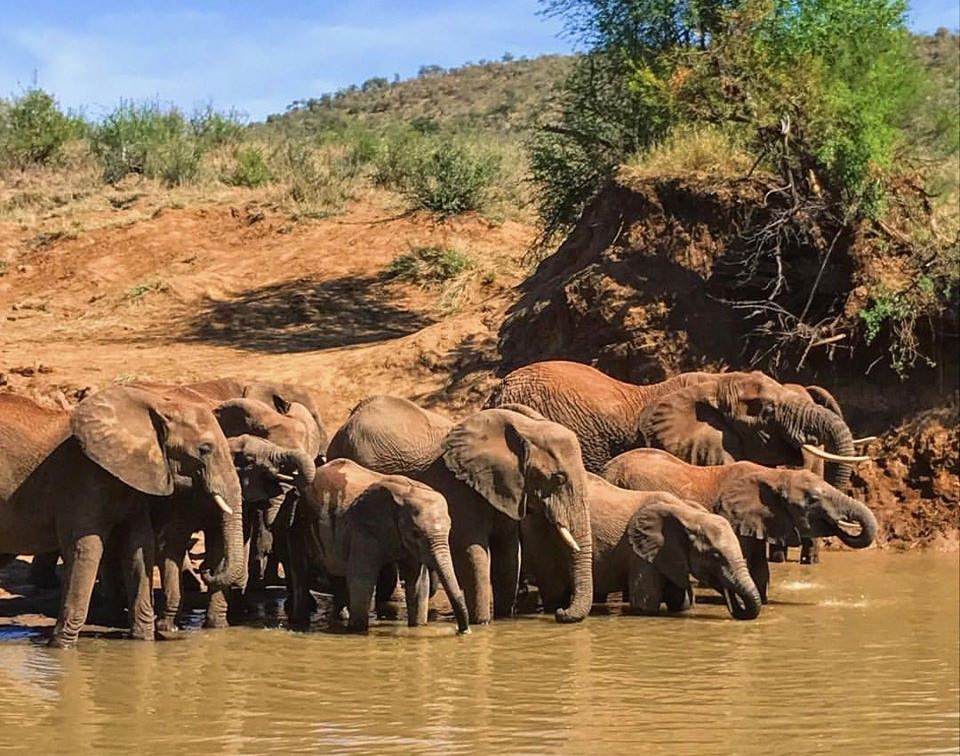
Nothing is too much to ask here, Morukuru offers 5-star worthy Relais & Chateaux service through and through: there are hot bottles on your seat as you jump in the car for the pre-sunrise drive, you can enjoy your favourite cocktail at sundowners whilst a herd of elephants pass on one side and a couple of rhinos are grazing on the other, the turn-down team thinks of every little luxury you may want before going to sleep, and the cooks’ food is truly to die for. Each meal is different, from the menu to the setting, from a boma dinner on top of a hill to a breakfast on the deck looking out to the river… You are sent off as you leave with homemade cookies and biltong for the drive home, and little cups with cocoa and marshmallows for when you get there. Nothing is too much, the house is pretty much yours for your stay, and when I commented on how delicious the mini muffins of the morning coffee were, I got to take the recipe with me to try and replicate them at home…

Why is it perfect for families?

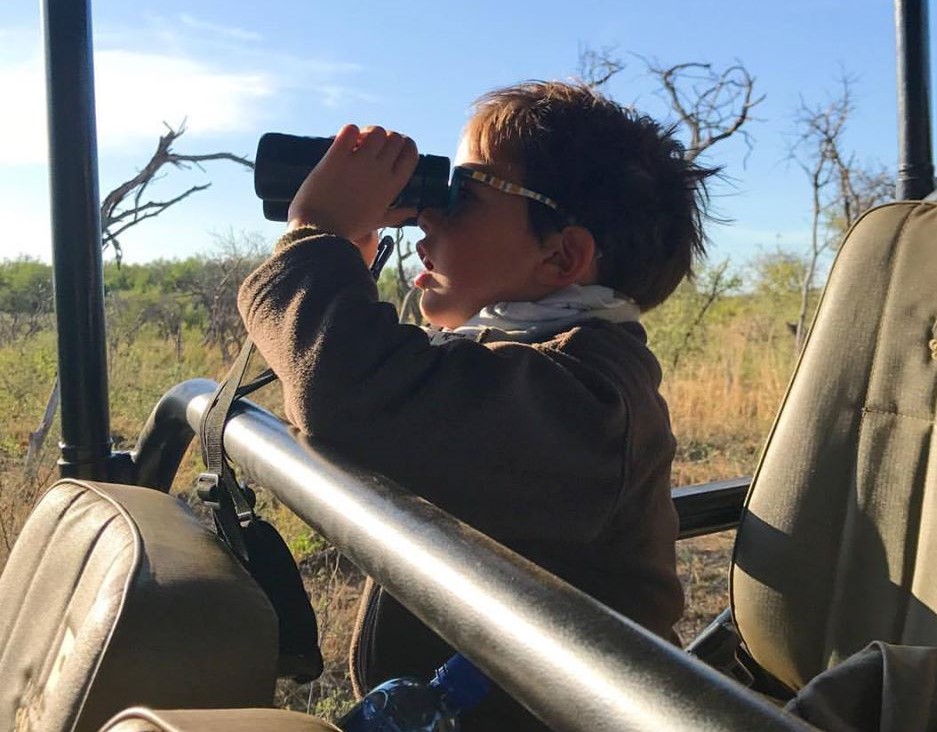
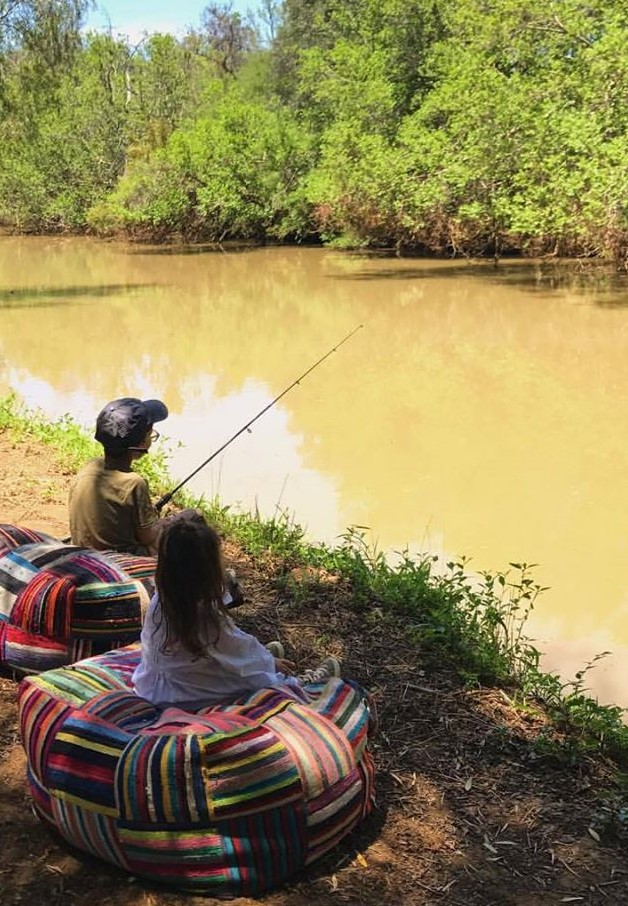
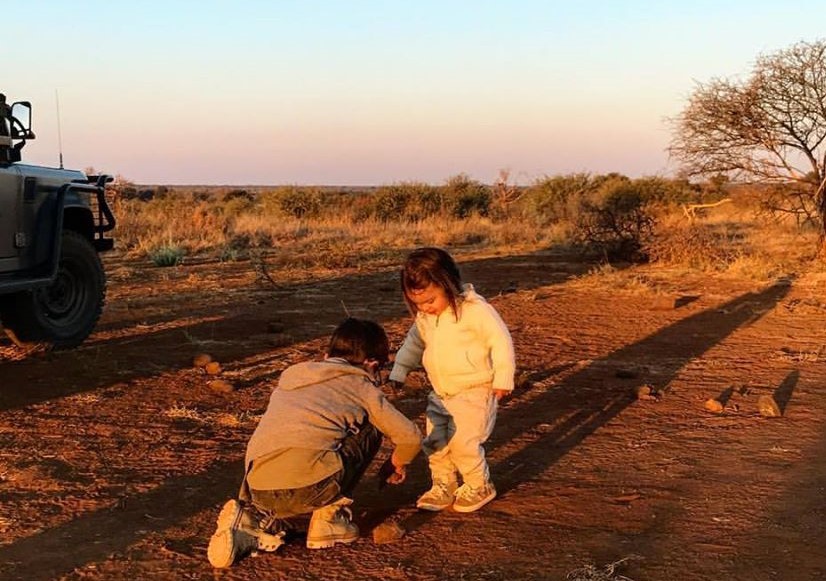
Beyond everything I mentioned already, the staff at Morukuru, and in particular the ranger and tracker team, are truly keen to ensure children enjoy their time on safari. Evan is always looking for ways to entertain our little ones, and he keeps his eyes peeled for animals that could grab their interest, such as snakes for Little Monsieur (much to my despair…). We went fishing one afternoon, and enjoyed the fun of catching small fish as well as seeing an elephant swim by. It is truly magical. Being alone in a big part of the reserve, a private area that also happens to be the home of a beautiful lion pride, means you get to stay as long as you want to admire some fantastic animals, even if your children are talking in the back of the car or playing with Little Ponies, because yes, at some point children will get bored of seeing wildlife and will want to escape to their own little world… By the way, take it from me if you’re going on safari with children for the first time: take some toys along, and a little camera for the older ones, and make sure you have snacks, because the odds are, they won’t want to wait until sundowners for a little nibble.

We were meant to return to Morukuru Madikwe later this month, alas this has now been postponed with the lockdown, but we will be back as soon as we can. As you would expect, such privacy and luxury come at quite a high price, and I think I hear my card give a little sigh each time I book a stay here, but it’s worth every cent. I would rather come here a couple of times a year than go on safari elsewhere every other week-end…

With love, S.

From waves to volcanoes in La Réunion

The last trip we did as a family, a few weeks before the lockdown in South Africa, was a week in La Réunion, for the children’s half-term. A mere four hours by flight from Johannesburg, this was a good alternative for us after many trips to Mauritius, and we were keen to discover the diversity that the volcanic island had to offer.

Day One – A day on the beach

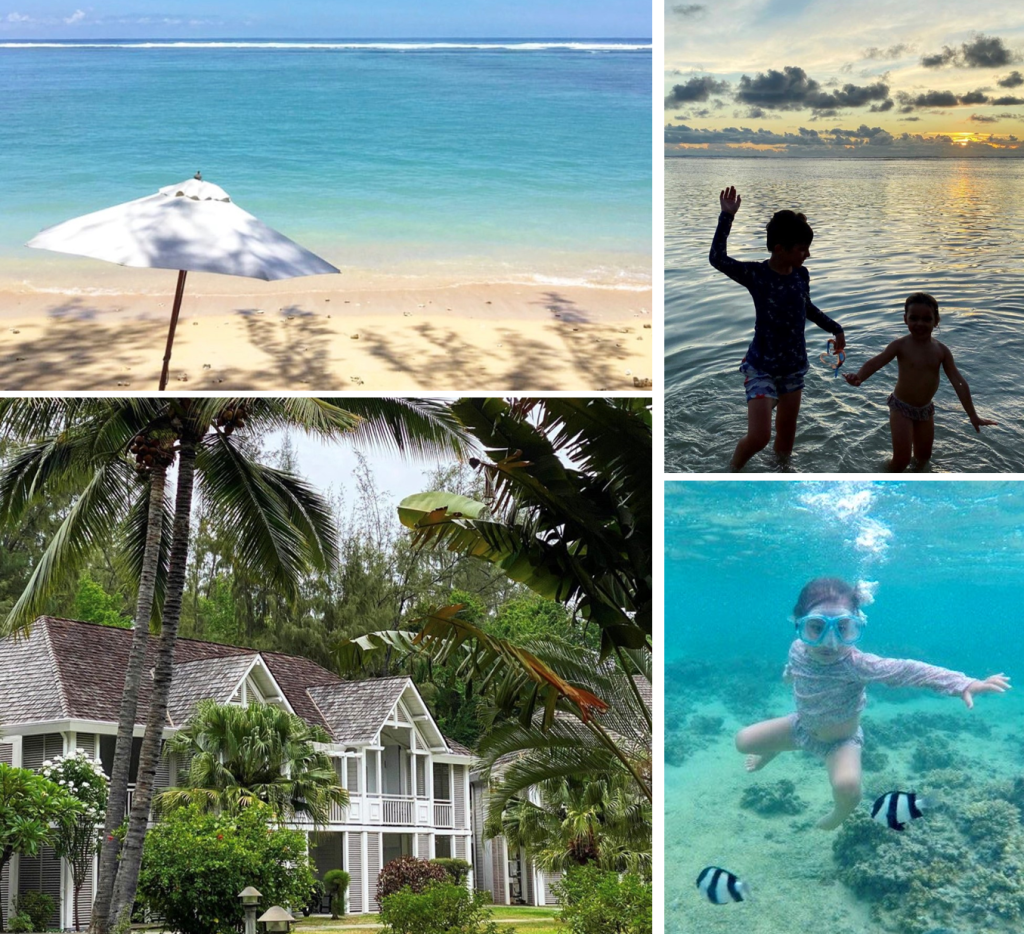
As long-time aficionados of the Lux* hotel group, we had opted to stay at the Lux* Saint Gilles, which is one of just a couple of hotels with 5*… We had been warned that hotel standards in La Réunion are nothing like Mauritius, Mozambique, or even mainland France, and indeed we were not particularly impressed with our hotel. It may be dubbed the best on the island, the buildings are beautiful and the beach is absolutely stunning, but the rooms and some of the public areas such as the pool are past due a major refurbishment. That being said, we enjoyed staying on a beach inside the lagoon, where the children could swim and snorkel with very friendly fish. For me, this first day on the beach was the perfect way to unwind after a gruesome eight weeks at work, although apparently I did spend most of the day checking emails and answering phone calls.

Day Two – Piton de La Fournaise

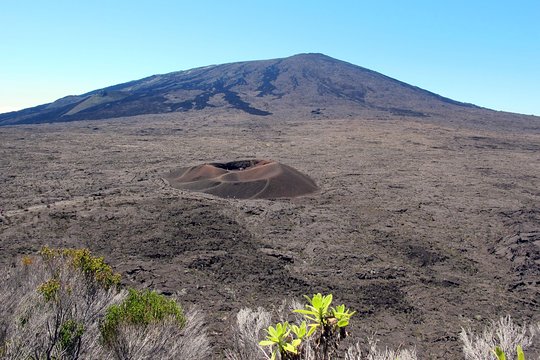
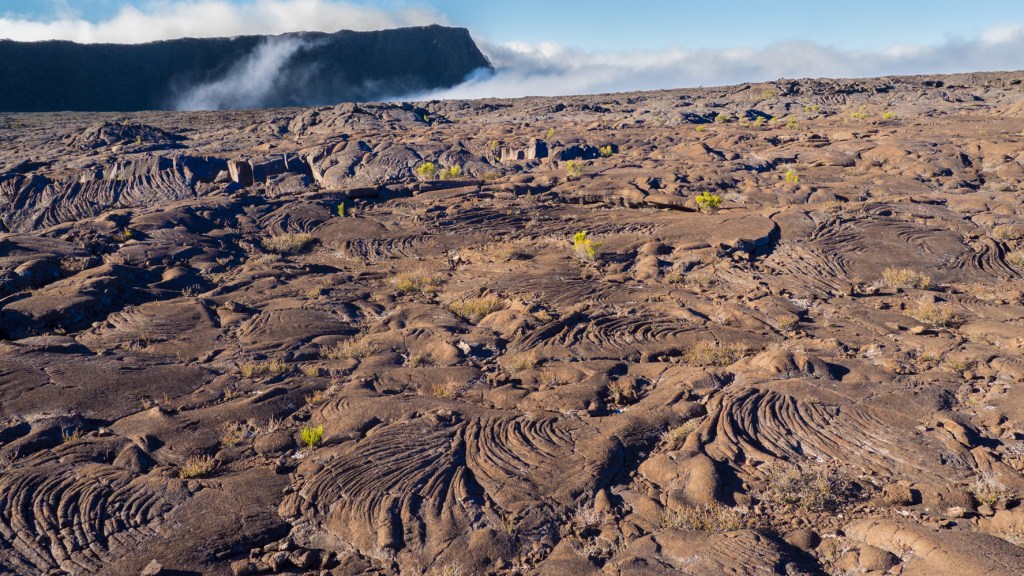
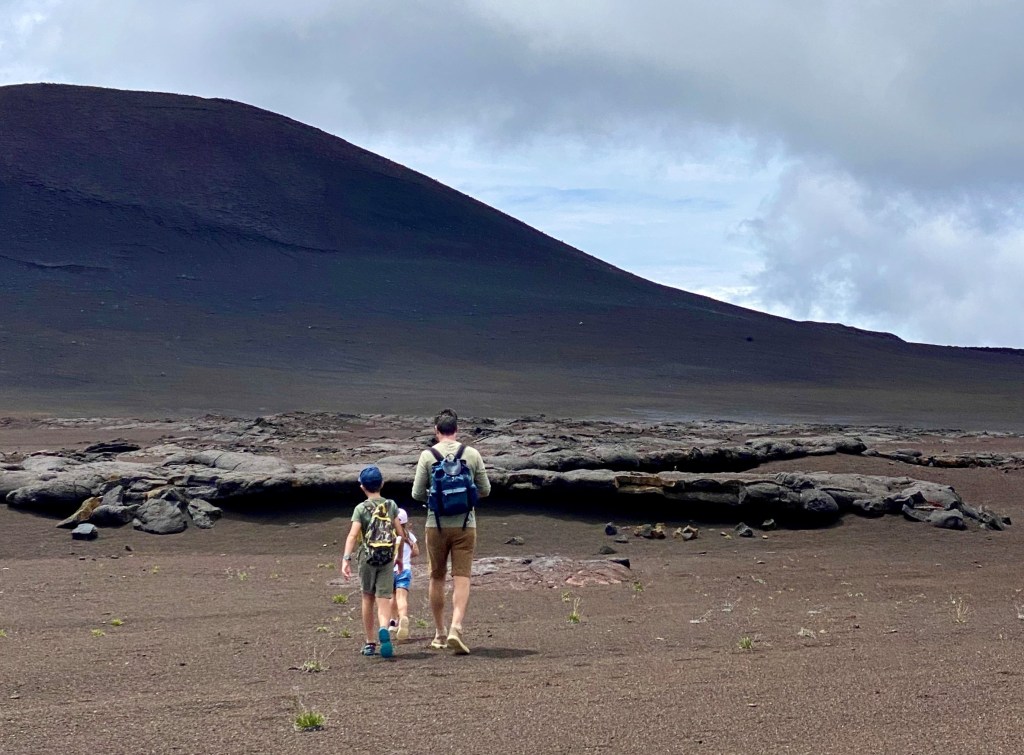
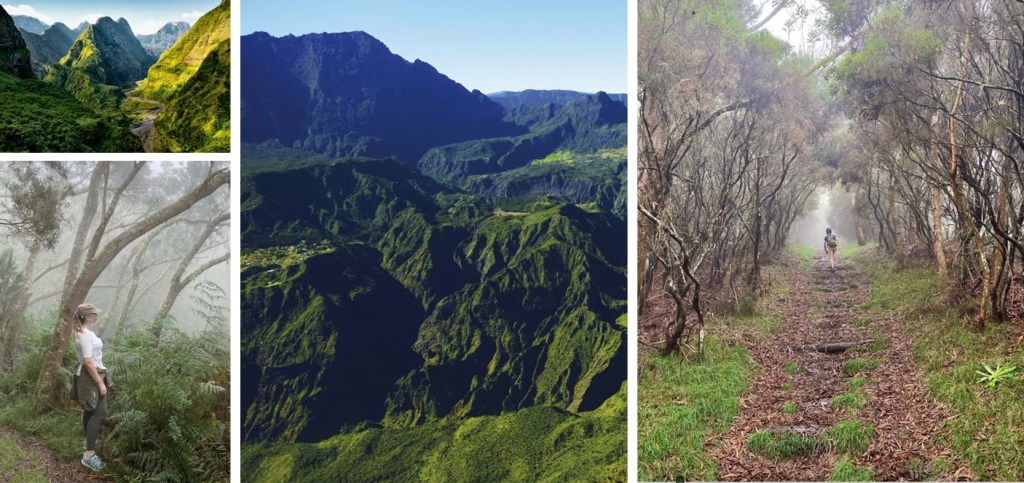
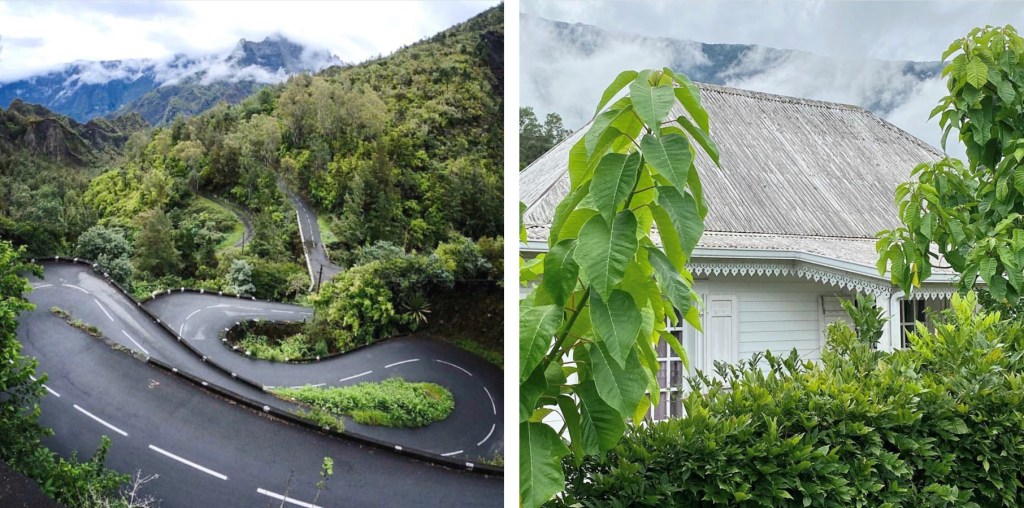
On our second day, we switched our flip flops for good hiking shoes and went up through the winding roads in search of La Fournaise. During the wet season (November to April) it does get quite misty around the volcano and we did arrive at the final viewpoint just in time for a major drizzle, so didn’t see much but did get positively drenched, especially as I had forgotten my rain jacket in the hotel room! However we had stopped en route to explore Pas de Sables, a large flatland of volcanic sand where you can walk on top of solidified lava flow ridges. Walking around the volcano feels like being on the moon, with some incredible flowers growing out of nowhere, and the most amazing bushes of wild hydrangeas lining the road on the way up to the viewpoint.

Day Three – Visiting the South East coast

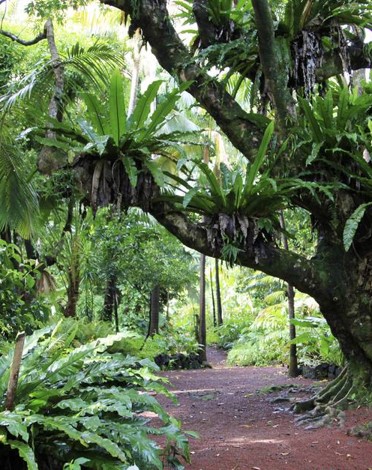
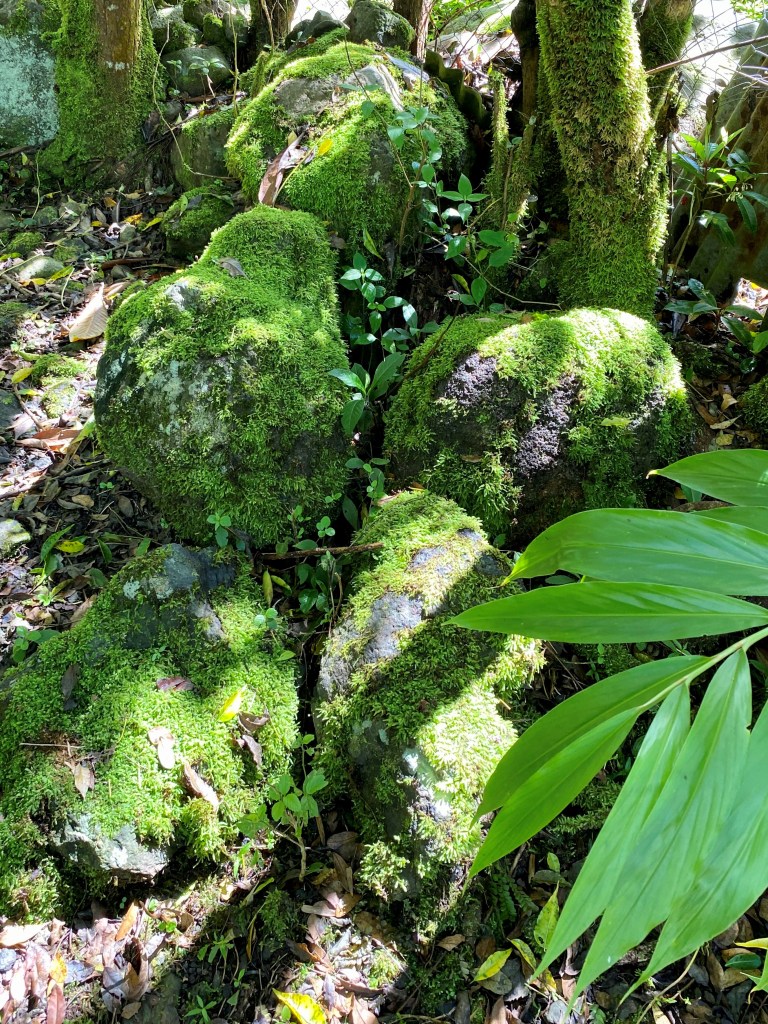
Our third day was all about gardens and the coast. The botanic gardens here are something else: with the tropical weather every plant looks like a steroid version of what you find elsewhere, so beautiful and captivating. But also these places are totally filled with mosquitoes: even though I had sprayed myself and the children abundantly with insect repellent coming out of the car, we spent one hour admiring the trees and flowers at the Jardin des Parfums et des Epices, and when I came out my legs looked like they had chickenpox. Evidently no amount of appeasing gel would help and I spent most of the rest of our holiday scratching my legs like a dog with fleas.

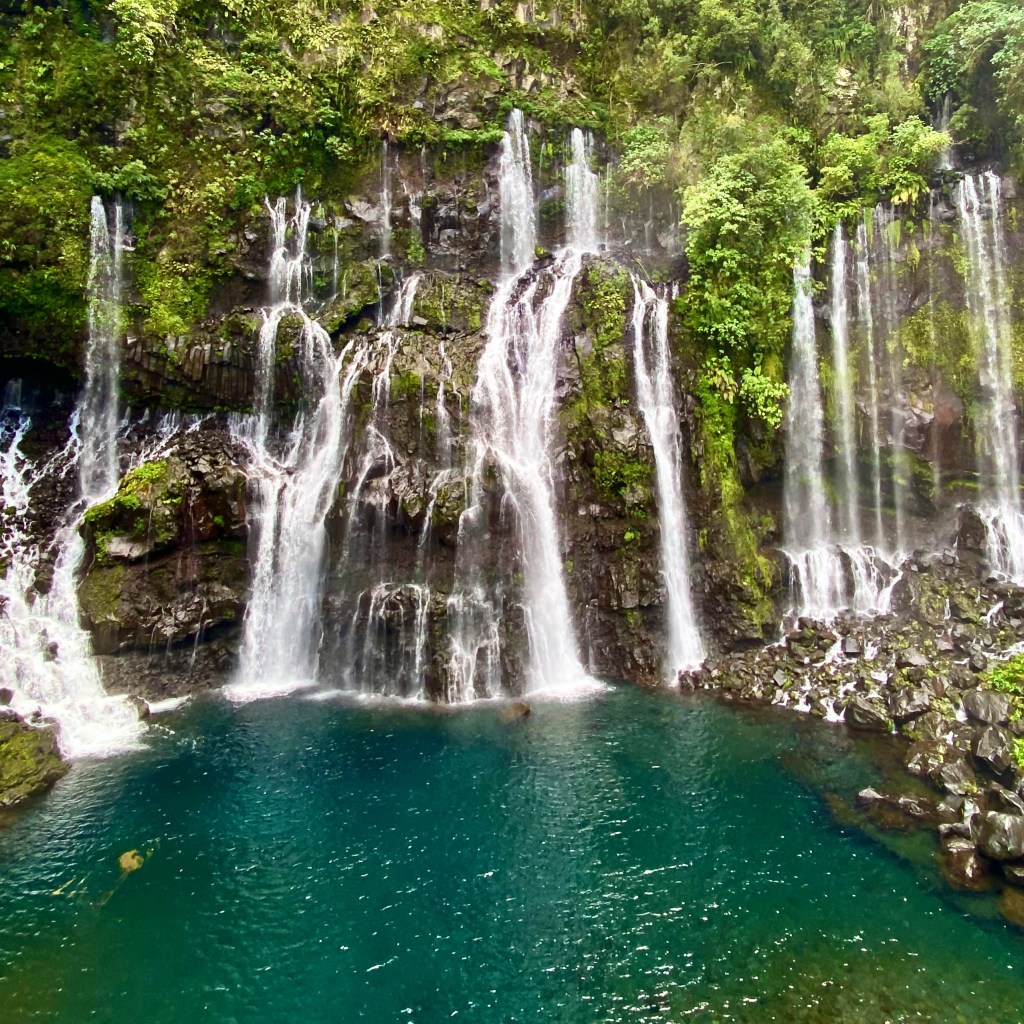
We also went up to see the Cascade de Grand Galet, one of the most beautiful waterfalls in this part of the island. I love the turquoise pool it makes at the bottom, and a few years ago, when it was just Hubby and I, we would have probably jumped into the water for a little swim… This time we just took pictures. I don’t think it’s as tall as some of the ones in the North coast, but we wanted to avoid the heavy traffic around Saint-Denis and too long travels so we stayed mainly in the South of the island during our trip.

We had a wonderful creole lunch on the coast, where we filled up on curries and palm salad, before walking it all off on the lava rocks by the sea, admiring the souffleurs: that is where the volcanic rock forms an underwater cave which ends with an opening shaped like a small funnel, through which the water escapes into high jets when there are big waves.

The last we thing we did on day three is visit Le Grand Brûlé, which is basically the eastern slope of La Fournaise,  where you can look down to the ocean on one side and the volcano on the other side of the road. The hills down from the volcano have been covered by countless black and silver-tinted lava flows from the various eruptions, encroaching over the forest and creating a raw and mineral landscape that is quite striking.

Day Four – Saint Paul market and creole history

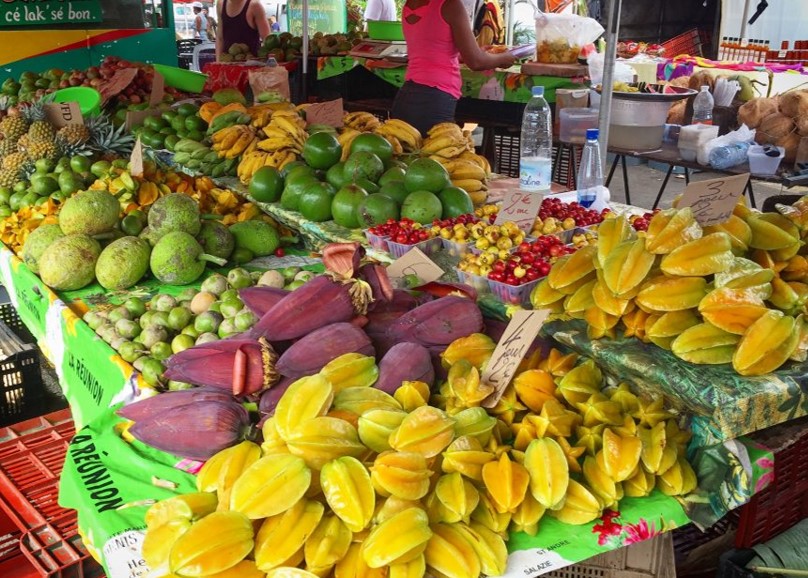
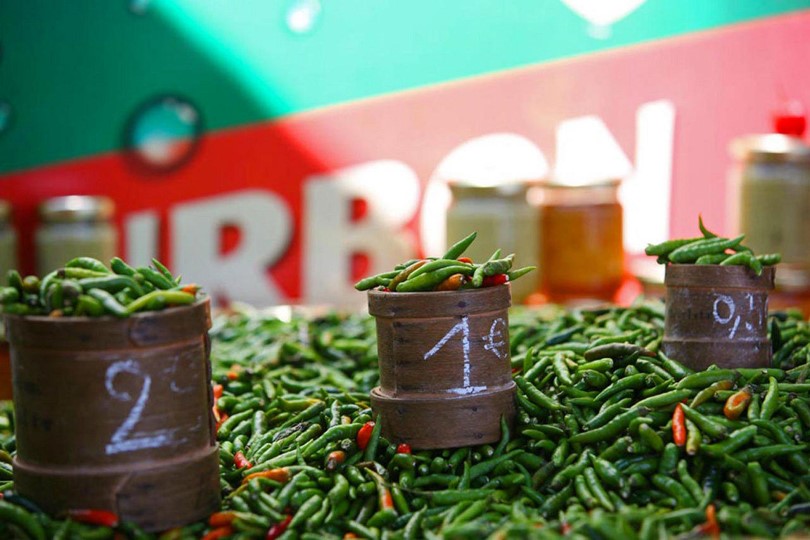
Saint Paul is one of the very first settlements on the island, and was the capital for a while until the 18th century. We started off by the market in the morning: although not the biggest, this is the nicest in La Réunion with a mix of fruit and vegetable stalls, creole nibbles such as bonbon piment, local arts and crafts… It’s on the seafront but even the slight breeze doesn’t mean I wasn’t sweating buckets by the time we’d finished haggling for a set of gorgeous raffia placemats.

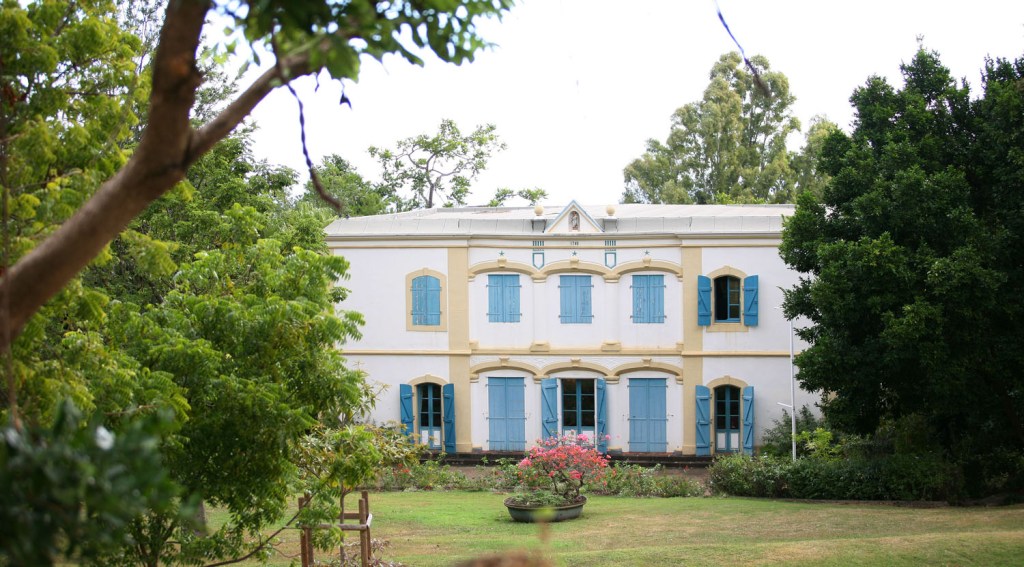
We took off for the fresher hills of Saint Gilles Le Haut to visit the Villèle Museum. Once the home of the Panon-Desbassyns family, wealthy landowners who contributed to the growth of the local sugar industry through the systematic use of slavery with some of the most gruesome methods I’ve read about… We skipped the compulsory guided tour for the house (no offense, but I don’t need a 2-hour laboured tour to view a planteur’s house, I listened to enough history classes in my youth) and visited the gorgeous gardens instead, as well as the outbuildings where an exhibit of the family’s slave books, rules etc made for a very sobering visit.

We finished our day at the Mascarin Botanical Garden, a fabulous park laid out around another beautiful residence. The park is focused on endemic plants and is split into various areas: Réunion, Introduced Plants, Creole Orchard, Succulents, Palms, Orchids and Ferns, Bamboos, Coffee Plants. The Bamboo walk is amazing, I manage to get a pretty cool photo of it on my Insta.

Day Five – Up to the Maïdo and into the tamarin woods

The Maïdo is another volcanic peak, just above Saint Paul, with some stunning views over the Cirque de Mafate. You get some beautiful clouds flying up from the valleys, with little villages nested in the mountains below playing hide and seek. We went early in the morning so we could enjoy as much visibility as possible, and even so there were quite a few tourist coaches around. We drove down back to one of the tamarin forests, and tried to drag our little urbanites for a little hike and at first they were quite intrigued by bent and windy branches, the but the paths were both quite steep and slippery from the mist, so our attempt was quite short-lived.

Day Six – La Route aux 400 virages and Cilaos

Having laced the munchkins’ breakfast juice with travel sickness powder, we took off for our last visit of the trip, all the way to Cilaos, via a road of only 30 kilometers but that is famous for having 400 turns. I believe it has that and more, as well as super steep views down to the valley, and the tightest tunnels I’ve seen: in fact we saw a bus come out of one end and the driver must have a very special license as nothing else fit in that tunnel besides his bus… At the end of the road is a tiny mountain village full of creole charm and beauty, with colourful cases that I spent a couple of hours photographing from various angle, although there is a little shop where you can buy beautiful watercolours of all of them. We also visited the Maison de La Broderie, a place where ladies painstakingly embroider following decades-old traditions and make the most beautiful linen.

We flew back to Johannesburg the next morning, glad of all our adventures on this island with so much to see and do, regardless of whether you are visiting as a young couple, a group of friends, or a family with small children.

Before I finish, here are my top tips for La Réunion: 1) the place is infested with mosquitoes, more than anywhere you’d imagine, so spray yourself, the kids, your clothes, and do wear long trousers and sleeves whenever you are out to the parks or forests, 2) rent a car, because this island isn’t about staying on the beach, I mean Hermitage beach is nice but it’s nowhere as nice as the most average beach in Mauritius, what you want to see here is the scenery, the volcanoes, the winding roads up the tiny villages on the cirques, and 3) try to keep some time for cultural visits, the island’s history is full of turns, almost like that last road we took up to Cilaos!

Remember, this trip is also highlighted in my stories on my Instagram, including some pretty cool videos of the places we visited.

With love, S.
A week-end in Barcelona

When we lived in London, one of the countries I covered for work was Spain and I would go to Barcelona almost weekly, without much time to visit properly: I spent my days in meeting rooms, my evenings in restaurants, bars and hotels, always with clients and colleagues, and constantly sped past the gorgeous sights in the city, often telling myself I would come back with time to see everything. So one week-end, to evade what promised to be a snowy Easter in London, Little Monsieur (a toddler at the time), Hubby Dearest and I relocated temporarily to Barcelona’s Hotel Arts and toured the city at length for three full days. 

Day One – The Gaudi treasure hunt

The first place I wanted to spend time in was Park Güell: during my very first work visit to Barcelona, I was a junior analyst and I helped organise a majestic dinner for hundreds of clients on top of the terrace of the park, overlooking the city. I was amazed at the beautiful design of the whole place but I was so focused on not messing up with my table settings, who was who and who needed to talk to whom that I hadn’t taken a minute to walk around and look properly… So of course this was our first stop in the city: we took the hop on hop off tour bus (always a favourite for us, especially with a toddler in tow) and, after a short walk up the hill, we finally arrived at the gate. Park Güell is a fabulous place where you could easily spend a whole morning, and there is plenty for little ones to explore, from the columned hall with its doric columns and tiled ceiling (a court that was meant to become a market place for the local community when the park was originally designed) to the more modern playgrounds, but our little tyrant barely gave us enough time to take in all the details, I’ll need to go back when the children are grown up and I have all the time in the world. 

After Park Güell, it was time for Hubby Dearest to choose a sight he wanted to see, so we headed back to Passeig de Gràcia to visit a building which is world famous as La Pedrera, also known as Casa Milà. It’s situated on the most fashionable street in Barcelona, in the middle of some of my favourite boutiques, so of course I planned a little shopping tour following our cultural afternoon… The secret of happy family travel, I find, is when everyone gets a little of what they really enjoy.

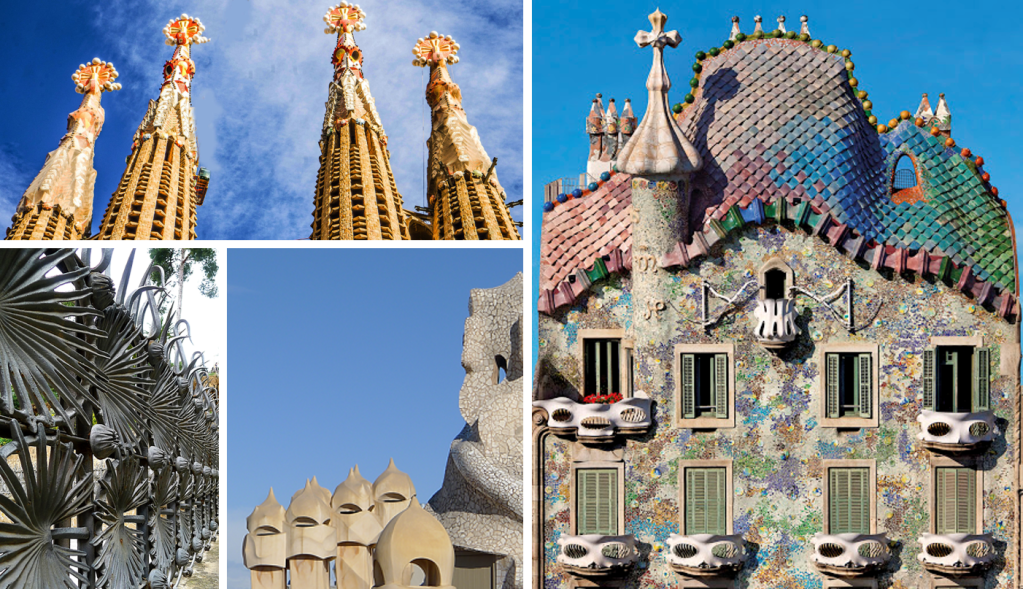
Like Park Güell, this is another of Gaudi’s creations, and it looks truly magical from the street, inviting a long queue of tourists every day. When we got there just before lunchtime, the queue was going around the block… Ouch! But, here’s one piece of good news for those of you travelling to Barcelona with children: Casa Milà has a priority system for families with buggies, and you can store your pushchair in the locker room before progressing upstairs for the visit. We spent a lot of time on the terrace, which, in line with the rest of the building, is filled with curves and nature-inspired shapes. The chimneys are particularly impressive and Little Monsieur was quite taken with the tiling work and the fabulous shapes… Inside we saw what an apartment would have looked like when the building was built, in 1912, and I found it incredibly modern in its layout, and could have easily moved in had I been given the chance, seeing how beautiful it all looked compared with our London Victorian house!

Of all of Gaudi’s fabulous designs in Barcelona, my favourite is Casa Batlló, it’s almost across from La Pedrera, and though I always thought it looked like a house with eyes, due to the open work balconies, it’s actually known as La Casa de los Ossos, as when one looks at the facade it has quite an organic, skeletal quality to it. Inside there is the most beautiful blue tiled stairwell, and the terrace is just as magical. I never miss an opportunity to admire it when I am in Barcelona, even if just in passing.

Day Two – La Sagrada Familia and Montjuc

The following day was my birthday, so we started slow with a luxurious breakfast at Hotel Arts, with a little card from Little Monsieur (no, my son isn’t that precocious, my husband however is a doting father who never forgets a special occasion, unlike me…) and lots of cuddles. We took off for a morning visit at La Sagrada Familia: remember to order tickets online prior to your visit, that will save you endless queueing on the day. It is well worth it, for the cathedral is unlike any I’ve ever visited before, every little corner filled with artistic detail. Soon enough we boarded the tour bus once more, on the way to the hilly neighbourhood of Montjuïc.

Montjuïc is the home of the Palau Nacional, which was built for the 1929 International Exposition and now houses the National Art Museum of Catalonia. Here we found hundreds of works by Spanish artists, but in reality we were coming for a whole other reason: right under the dome of the museum cum palace, you’ll find an exquisite restaurant, called Oleum, where the food and the decor are truly amazing. With some of the best views over Barcelona from the double-height windows, reflected by mirrors on the ceiling, Hubby Dearest, Little Monsieur and I sat down for a most scrumptious celebratory lunch.

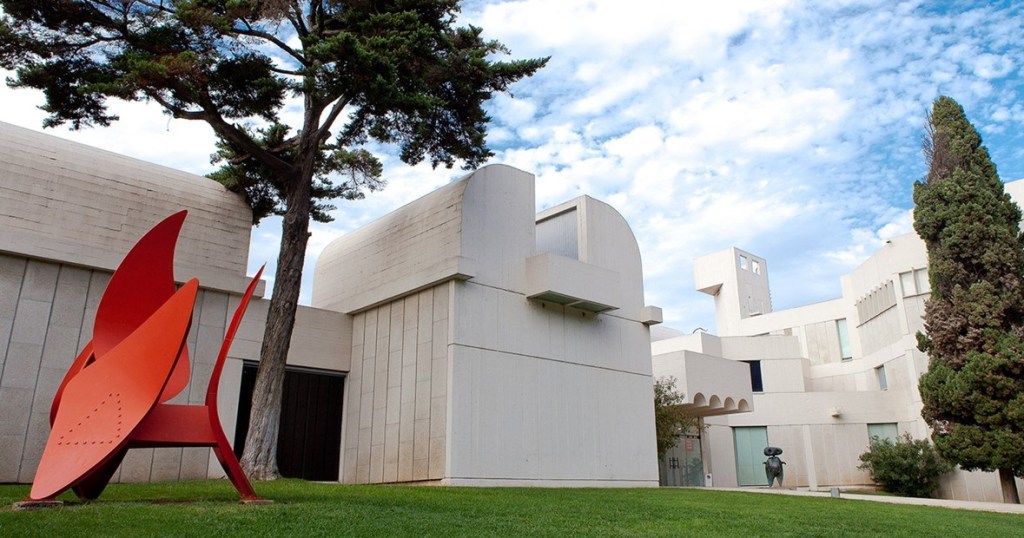
Two hours later, we put Little Monsieur in his pushchair for his nap and took off up the hill to walk off that amazing food. We ended up at the Miró Foundation and, as Little Monsieur was still fast asleep, we decided to go in and enjoyed all the rooms in relative peace. Soon enough it was the end of nap time so we had to sacrifice further cultural enlightening in favour of more toddler-friendly activities, so we went to the Aquarium where Little Monsieur squealed at the (hopefully sound-proof!) fish tanks… We finished our day on the harbour where we shared a crepe. All spent and tired, we returned to our room where the Hotel Arts staff had left one last little surprise for me: a meringue cake with a single candle for me to throw one last celebration before bedtime.

Day Three – Almost Picasso

The next day was our last day in Barcelona, and I had my heart set on visiting the Picasso Museum during the morning. Sadly, our mini despot wasn’t as generous as he’d been on the previous day, and rather than sleep through or enjoy the strange shapes, he screamed murder from the moment we entered the first room until we eventually gave up, within 10 minutes of having bought our tickets, and left, totally mortified and frustrated. Instead we walked the streets of the neighbourhood with Little Monsieur slowly settling down for a nap in his pushchair: he was just cranky… The Picasso Museum will just have to go on the list of things I must do next time I’m in Barcelona with a few hours to spare. In truth though, for a 15-month old, Little Monsieur had behaved admirably, visiting monasteries and incredibly fanciful buildings as well as trying foods he had never tried before… When I look back all these years later, I realise what an amazing little traveller he has always been.

Barcelona is, as I’m sure you know, a fantastic city with the most intriguing architectural, from Catalan Gothic to Modernist buildings, not to mention the amazing food scene and the truly hospitable Catalans themselves, it’s a place one yearns to go back over and over again. I know I will.

With love, S.
Raising perfect little travellers

Growing up, I remember a lot of parents in our circle would travel the world, thinking nothing of leaving their children behind with nannies… My parents raised us with the exact opposite approach, taking my sister and me virtually everywhere with them, from Zimbabwe to Cuba, we were both incredibly lucky to be very well traveled even before we had left primary school. Fast-forward to the present, I’m now the mama of two wonderful yet quite buoyant children, and whilst I always knew I would follow in my parents’ footsteps when it comes to travelling with children, I can see why some people don’t.

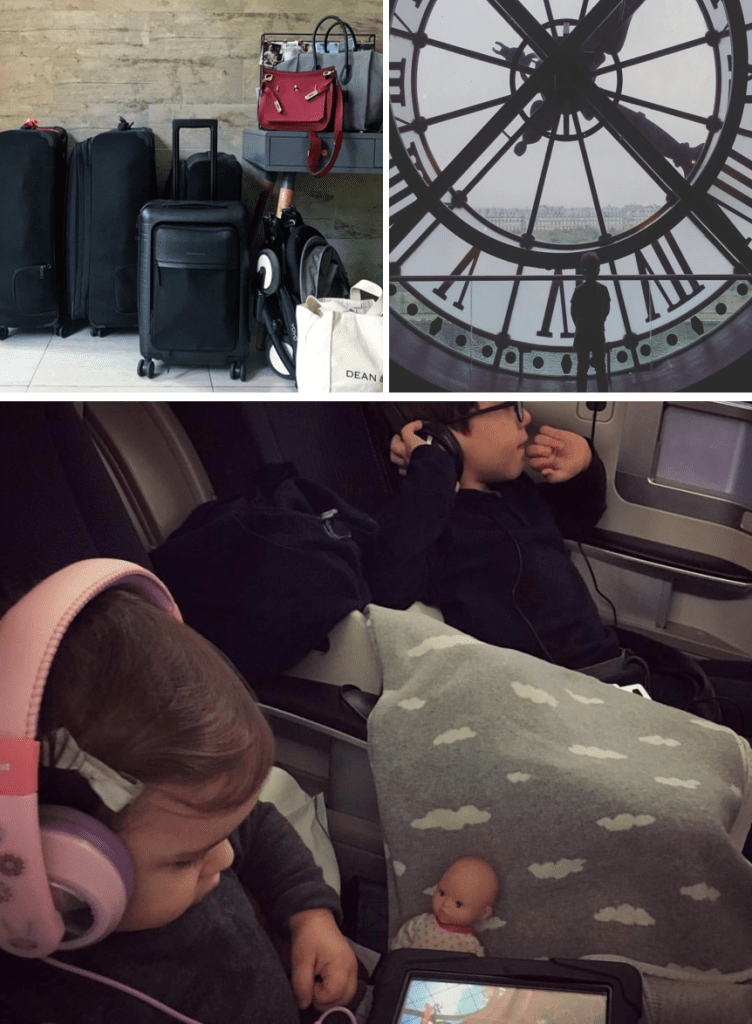
If you think flying is stressful, try taking small children along: it becomes a unique yet very effective method of torture; suddenly you are a sherpa, a marathon runner, a UN negotiator, and even a food taster (the suspicious airport attendants always insists someone tastes the milk in the baby’s bottles… because planning a criminal attack with one or more toddlers in tow is the smart thing to do , didn’t you know?) So yes, you can opt for a travel ban, especially air travel, until your children are sulky teenagers who will sneer at everything you are trying to make them discover, but then, take it from me, you are missing out on so much: a little city escape becomes a magical adventure when you see everything through the eyes of an amazed little one, and taking a five-year old snorkelling and hearing her squeals of pleasure at seeing the fish so close is such a moment of pleasure. My approach? Take your children with you, continue to explore the world, but be prepared to change your travel style a bit… Read on for my tips on how to raise the perfect little travellers, one flight at a time.

One – Check in online… planning ahead helps you get seats together, save time at the airport, and overall will save you a lot of aggravation.

Two – Assume you’ll be slower… Many of us are used to zipping through airports, with little ones it’s always a little slower than you’re normally used to, so arrive with plenty of time to fold the pushchair at security, divide the bags into the x-ray trays, negotiate with the little one to follow her brother through the security guantry without waiting for mama…

Three – Visit the lounge… If you can, once you’ve passed the over-zealous security staff and had your fill of baby milk and other purées, head over to the lounge and have a sip of champagne whilst your little ones run around, many lounges have play areas and food that children will enjoy, and the seating is far more comfortable than elsewhere in the airport.

Four – Invest in a small easy-to-fold pushchair… Over the years we went through more than our fair share of pushchairs, always looking for the one which would be the easiest to travel with; nothing gets even close to the Babyzen Yoyo 2, which folds up and fits in the overhead compartments and makes it super easy to explore everywhere with babies and toddlers. Put some of their favourite toys in the little net so that when you’re in the restaurant waiting for lunch, they can keep entertained.

Five – Layer up and plan for accidents… Airplane temperatures tend to vary so I go for a multi-layer look for everyone, and it’s always a good idea to pack a change of clothes for them and for us, because you know… little accidents happen.

Six – Bring food and drinks that your children like… It’s well known that babies’ ears struggle with pressure and a milk bottle helps, but also plan for older ones because children can be a little fussy, and generally they are ill catered for by most airlines, as I learned to my detriment: last year we took a long-haul flight with British Airways, and when breakfast time arrived, the crew refused to give me a glass of milk for my toddler on account that they needed to keep enough to serve it with coffee for the other passengers; so now, one of the things I do hunt down in the airport is milk, even if it means begging the lounge chef for a bottle.

Seven – Relax your screen time phobia temporarily…  Of course we all want our children to play with wooden blocks and puzzles, but sometimes you also need to take the easy road. You can fill ipads or kindles with kids-friendly apps, movies, and games that they will enjoy, meaning they will stay calm for a few hour.

Eight – For longer holidays, consider shipping some things ahead… This way you’ll have less to carrry yourself (when we went to Puglia with a baby, we sent a box of nappies, baby milk, fruit compotes, pool toys)

Nine – Head for the tour bus… Who ever thought mini city breaks with kids are hard work needs to be introduced to the Big Red Bus company and its equivalents, it’s the best way to discover the city at leisure, the children don’t get tired from walking, they can doze off in the bus for a few minutes, and you still get to see all the historical beauties you had on your bucket list. We did places like Barcelona, Rome, Cape Town, New York, Paris etc. by foot and by bus and it was perfect.

Ten – Variety is key. Try to alternate between cultural visits and children-friendly activities, such as parks with kids playgrounds, zoos, aquariums etc. Recently we’ve been on a lot of safaris and whilst kids are obsessed with animals after ten elephants it’s handy to have a few toys in the car or a child-size camera so they can play at being a wildlife photographer…

Over the years, our children have become seasoned travellers and they are used to seeing new things, experiencing new foods, and we get to indulge in our love of travel instead of spending ten or more years hiding in family-friendly hotel clubs that would make us miserable. Everybody wins.

With love, S.