What to pack for an African safari

I recently was on safari at AndBeyond Phinda and was very amused to observe a lady about to climb into the game drive car in LV high heels, with a matching Neverfull. It prompted me to think about what people pack to go on safari… In my very opinionated mind, there is an appropriate dress code for every occasion (just wait until you read the post I will write about beachwear) and packing for a safari in the African wilderness is totally different from packing for just any other trip. It’s a challenge for first-time safari goers, but it’s not that complicated: I’ll give you a hint, you needn’t pack your designer heels.
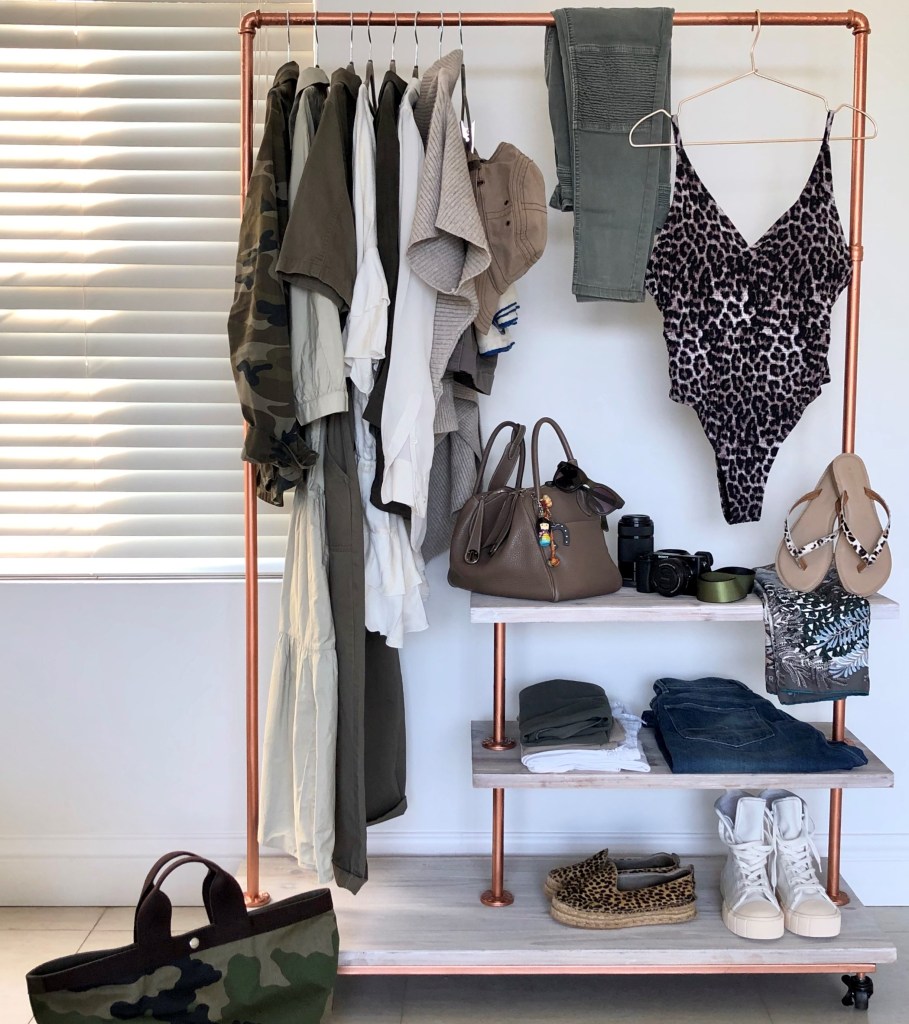
First, let’s talk about luggage. Usually, if you are flying from abroad, you will likely be arriving into Kruger or Serengeti on a bush flight, and those are often very small planes, with very strict weight limits: 15 kilograms per person, in a soft-sided bag so it can fit easily. I find the best bags for safaris are duffel bags made of sturdy canvas with leather handles, but basically just think about soft luggage rather than the square wheelie you take on big airplanes. Worth noting: Kenya and Tanzania don’t allow plastics in the country anymore, so bear that in mind when organising zip-lock bags for your toiletries and other small goods: it’s best to take a mesh one than a plastic one.

Now… clothes… Just because you are going on safari doesn’t mean you need to dress frumpily. In fact, I’d venture that with so many photos being taken you ought to try and look extra stylish. Extra stylish, but comfortable. See, the main activity of a safari in this part of the world is going on game drives: you will be sitting in a game drive vehicle for hours on end, so whatever you wear make sure it’s crease-proof (if possible) and comfortable. Do you bring formal wear on safari? For most lodges, even the most luxurious ones, I’d say don’t bother. You’re likely to go straight from your evening game drive to drinks to dinner, with no time to change. Sometimes there is a little time to change, so I usually pack a silk shirt and a semi-casual maxi dress: they also work for the game drive, and are not too fancy.

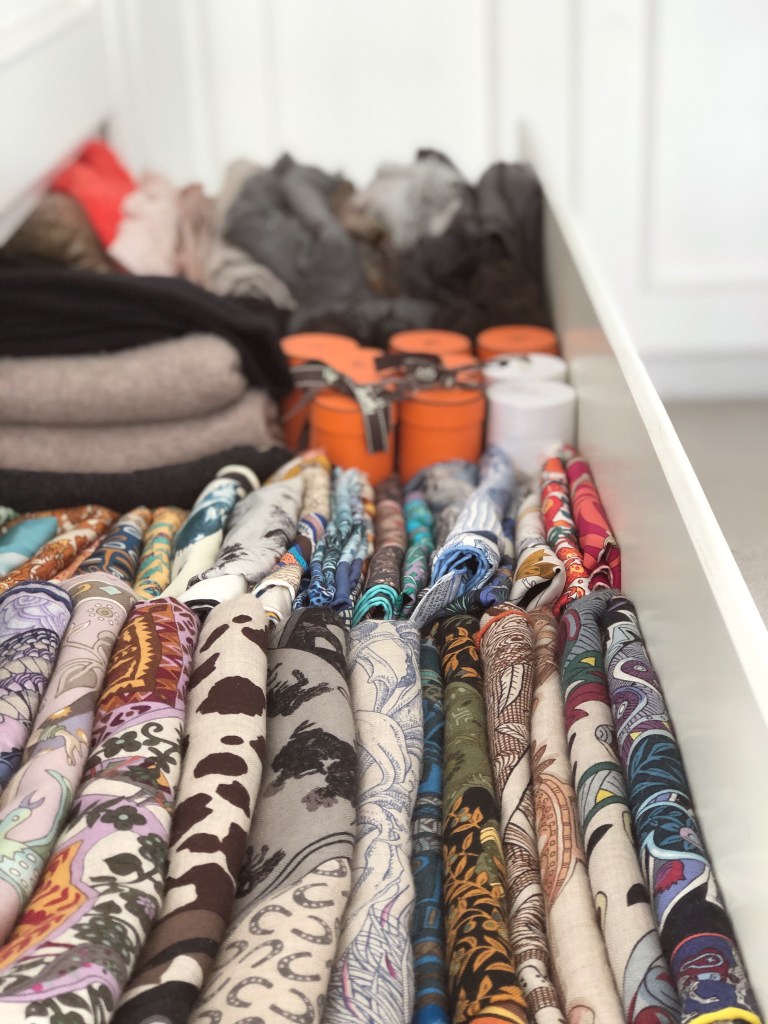
A few things are important though, such as layering. The morning drive starts just before sunrise and the evening drive tends to finish well after sundowners (probably my favourite part of a safari), and in this part of the world the temperatures vary dramatically from day to night, so wearing layers helps a lot. I generally prefer cashmere to fleece, but my children love the lodge zippies we get from Morukuru, they are super soft. I always take at least one large Hermès cashmere and silk shawl, for me of course but also for Little Madame who likes them as blankets (I know, shock horror… an H shawl as a safari blanket). I also recommend long sleeves and trousers rather than shorts, to avoid getting cold but also to try and protect your skin from the sun, which is far stronger here than you would expect, if you come from the Northern Hemisphere. And finally, there is a reason game rangers and regular safari dwellers wear neutral and earth tones: first the neutrals don’t call the attention of animals as much as bright reds and oranges (yes, even when you are in a game drive car, they see each individual person, no they don’t think it’s one large animal), but also many countries in Africa are the home of the tsetse fly, a biting fly who loves dark blue and black… so leave those black leggings home, and pack on the khaki and beige trousers.

How about footwear? Whilst you may be lucky to go on a walking safari at some point, I don’t think heavy hiking shoes are that useful on safari. Usually just a pair of comfortable fashion sneakers or high-top canvas shoes are fine: the lighter, the better. If you’re coming during rainy season make sure to pack some waterproof shoes, and do bring some flipflops to wear around the pool between game drives. Whatever you do, forget the heels. They are useless and you would be hobbling down for the morning coffee like a baby impala. Not a good look.

And finally, don’t forget a good hat. I am repeating myself, but the sun is really strong. So pack a wide brim hat. Please don’t go all Melania and order a colonial monstrosity. Noone wears those, and if anything they are reminiscent of a time we should always strive to move on from!

There you have it. Of course you will know to bring your chargers (including for the camera… very important), plug converters, good SPF and mosquito repelent, and cash for the tips. Bon voyage!

With love, S.
Pre-loved fashion goes around and comes around

I want to let you in on a little secret: I don’t buy all my clothes and accessories brand new, and I sell all the pieces I tire of via either my closet’s Insta account or through a consignment service… Slow, recyclable style is not only the price-savvy thing to do, it’s also better for the planet. When we buy second hand we are supporting the retail industry and keeping good quality clothing from being tossed into the trash and ending up in a land-fill.

I love recycling fashion, both as a buyer and as a seller: I think the idea of giving a piece you don’t use anymore a new home through reselling is fantastic (it frees up space in the closet for new goodies but also helps recoup a portion of the original price, which in some cases is very high), as is the concept of being able to get your hands on an almost new Chanel bag for a heavily discounted price compared to the boutique… What makes me so keen on this is of course the sustainability aspect of it, but also the economics: most designer brands increase their prices annually, and yet some pieces are classics, so if you’ve been wanting an iconic Mac by Burberry’s, you’re better off checking out resellers, especially because some fashionistas barely use their things and you can find some piece in like new condition everywhere (I may or may not have been known to sell some pieces with their tag still on…)

For clothes and accessories, I like consignment and resale shops, both brick and mortar and online, rather than thrift stores (that said, thrift stores are amazing for home accessories, crockery and the likes as well as popular everyday fashion brands like JCrew, Zara etc…), because you will find collections that are more curated, and better quality items, and there is often a verification process involved on the condition and authenticity, which is very reassuring. Evidently this means as a shopper you see higher prices, but would you rather pay a little more or get a rotten replica when you thought you were getting a Birkin for a bargain? One thing for sure: I will never buy a pre-loved designer item on Ebay, it’s filled with fakes and fraudsters.

How to buy pre-loved fashion

The first thing is to research the ballpark resale price, by looking up what the original selling price is, and then determining how much lower second hand pieces go for by researching the price for similar items… There is a host of websites where you can do this, and then you can use this information to decide if you should make an offer or just jump on the asking price. Remember, if you’re looking at a unicorn item, something that is a grail for most people, don’t expect a stupidly low offer to be accepted, plus it’s very rude in the resale market to make super low offers. Similarly, if you’re looking at a LV Speedy, the odds are there are loads in the second-hand market, so negotiate away…

It’s also important to manage your expectations. A lot of pre-loved clothes can be almost brand-new, as they might be worn only once or twice, and a lot of sellers are very strict about the condition they state on their sales, that said, the term pre-loved means the item has been used previously, or at least it’s lived in someone’s closet for a while, so expect some imperfections. And that is why you’re not paying retail price…

Not everything pre-loved is vintage… Vintage is something that is at least 25 years old in my book. Some vintage items are extremely valuable, like a dress from the 1930s or a first edition of a designer item, but some is just someone’s old slightly smelly stuff. I never buy vintage online, the condition is too difficult to assess, except if it’s jewellery.

Authenticity is a big deal when buying second hand items, so make sure you have done a good degree of research on the piece you’re buying (it’s easy to spot a fake label, but some super-fakes are really difficult to distinguish, so it helps to know small details like some classic bag shapes evolve slightly over the years, one flap versus two, the craftsmen markings change, and some colours are from very specific seasons etc). If you’re unsure, ask for more pictures, and if you still don’t know, then it’s best to sit it out. It helps to shop from reputable sellers, I never buy expensive pieces except from sellers I trust or through shops where the authentication of the item is part of the process.

If you’re looking for something specific it’s good to know some sellers who regularly trade in the type of piece you’re after and to regularly follow (ahem stalk…) them. Amongst a few others, I love Julia Rose Boston and Coco Approved for Chanel bags, Yoogi’s Closet for Hermès bags and others, and Luxury-Scarves is the place to go if you’re hunting for a special scarf. I recently discovered Kern-1, which specialises in Chanel jackets that get beautifully conditioned and packaged before being sent to their new owner, and can’t wait until my grail comes up there so I can order it… For everything in between, I like buying on Vestiaire Collective although I’ve never sold through them, I hear they charge a hefty fee. In Johannesburg, I can’t recommend SnobSwop enough, Barb knows her fashion stuff and is an amazing business person and she seems to be the recipient of many local fashionistas’ closet overflows.

How to sell your no longer loved goodies

Research is key for sellers as well, who should know not to list something at a certain price if someone else has the same item for sale at half the price… Pricing an item right is key if you want to sell it. There are a few items that will retain their value, but I can count them on the fingers of one hand, and they don’t include Marc Jacobs totes or dad sneakers (see, you shouldn’t have bought them in the first place), and everything else needs to sell at a significant discount, especially if the condition is not great.

Know whether your item will be in demand by following trends and resale websites, then pick your sale channel. I usually prefer to start on my Instagram account for my closet (it’s here, if you’re curious) because I have a good following since the massive closet purge I did before leaving London… that was a major clean-up where I let go of a lot of the expensive pieces I used as an investment banker and that I wouldn’t need in my new life in South Africa. I also love to take things to Barb at SnobSwop to sell directly in her shop.

Taking good clear pictures and in your description be extremely clear and honest about the condition of the item, in particular of the signs of use is key. I can’t stress this enough. You will get upset customers and people will return items if you don’t disclose everything. In fact some people will even try to blame you for damage that happens after the item it’s been in their hand so retain the pictures until after you’ve sent the pieces (yes, I am speaking from experience, I was happy to still have the photos…) Once an item is sold make sure you ship it asap and if you can’t, tell your buyer when to expect the item; I always use tracked shipments, again, noone wants things to go sour because “the package went missing”.

Accept that some pieces are not worth the effort of trying to resale, and they are better suited for charity: in South Africa poverty is rampant, and people will gladly accept pre-owned clothing, so I don’t even think twice when considering the clothes my children have outgrown or everyday high street clothes I don’t use anymore, they go to a creche we support in a local township, or to our housekeeper, who then distributes on to people she knows.

There you have it, my guide to pre-loved fashion… For sure you don’t get the same type of luxurious experience as through the retail, the packaging may not be as beautiful (although some resellers go the extra mile) but you’ll make friends, get to know your sellers and your buyers, and give a new life to pieces that will make you happy for a few years or a lifetime…

With love, S.

Wardrobe organizing tips

The good thing about reaching the age I’m currently at is that I am no longer shy about admitting shopping ranks amongst my top three hobbies (I’m still too coy to tell you at which spot but follow me here a bit and you might get a sense), but this means that, no matter how big my closet is, I constantly need to curate and organise my wardrobe. And trust me, the closet in our current home is very big… still, curating and organising goes on every few months to avoid hoarding pieces that I don’t use and not seeing the beautiful stuff for all the mess.

I have never used a closet tidying service, where someone magically drops into your house to organise everything from shoes to earrings, mainly because I regard this type of out-sourcing as a little lazy and indulgent. Instead, I keep a rather loose routine alternating between the odd tidy-up whenever somethings look slightly out of place, and the more radical culling exercise where every part of my closet gets a very close review and dozens of pieces are discarded.

Tip One – If you can, create a space that fits your needs

Having a walk-in closet is a luxury that is not available to everyone, but for me this has changed my life. In London, I had designed every corner of my walk-in myself and my favourite feature was the open shoe shelves, although it also taught me that open closets are dust magnets…

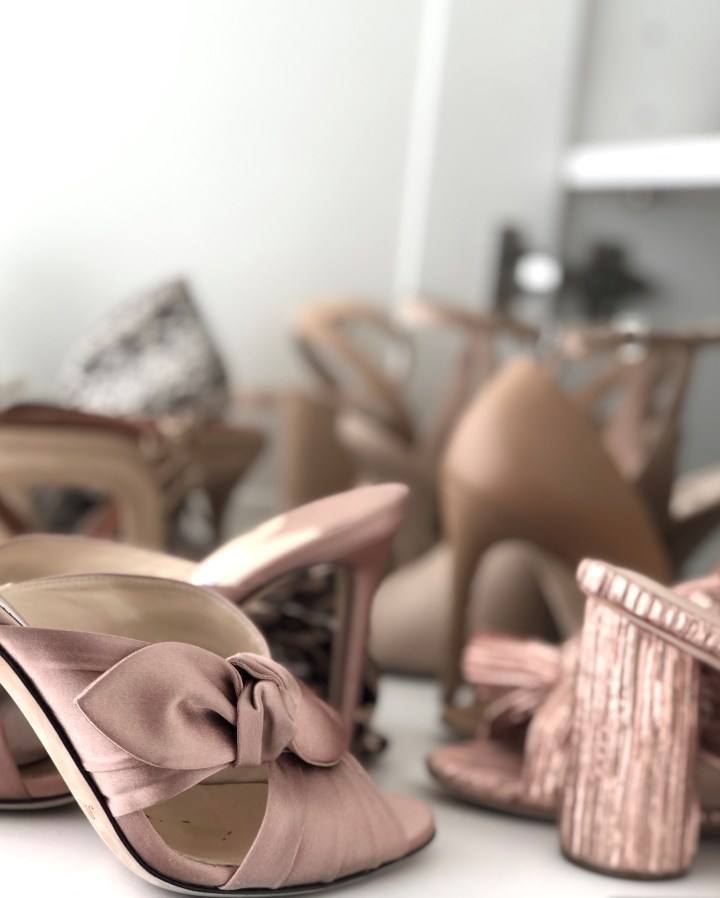
Since moving to South Africa, I’ve made the best of what I have: a huge space, but a very uninspiring closet at first with hanging spaces that were too high (unless you’re a basketball player, but then what would you hang? Shorts?) and there are no small drawers, only very large ones that can get too heavy if over-filled, but I have a lot of shelving, so I got to work. By this I mean I found a carpenter who implemented my vision of course, adding shelves, lowering hanging rails, and replacing some of the shelves, which are quite deep, with pull-out shelves to store my shoes. I keep a mini step-ladder to reach the higher shelves where my bags are kept, and I have a few storage boxes to organise things like swimwear, socks, lingerie, etc.

Tip Two – Store your pieces by category

This is obvious, but it makes all the difference when you want to find that fabulous vintage YSL dress minutes before going out to dinner. Keep like items with like items: sunglasses together, dresses hang together, organised by colour because it’s prettier, and jeans don’t sit with the work trousers.

Tip Three – Everything in its place and shoes should never be piled

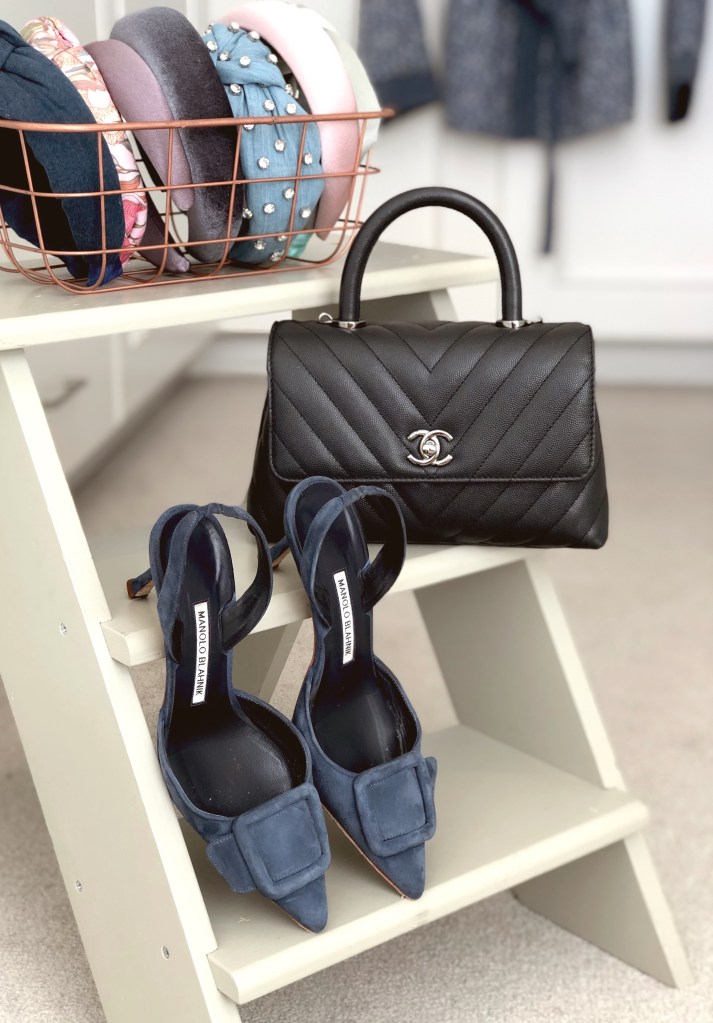
Remember: the reason clothes and accessories look beautiful in the shops is they are perfectly displayed in order to make us want them enough to spend sums that are commensurate to the GDP of small countries. So, if you want to keep wanting your pieces once they are in your home, you have to keep them in the best condition possible: : cashmere sweaters should be folded neatly, investment coats should go on padded hangers, and 5” heels should not be thrown in a pile on the floor, in fact never pile shoes, that’s the best way to destroy them. Instead store them neatly on a shelf where you can see them clearly.

I try to split my hanging space into three: one for dresses and jumpsuits, one for shirts and delicate tops, and one for blazers, trousers and skirts. They don’t need the same height so it makes sense to separate if you can. I hang everything facing the same direction, organised by colour, so it all looks neat and pretty, and it makes finding things super easy. Using coordinating hangers gives an added sense of neatness: I use grey velvet covered hangers that are skinny and pretty, and steer well away from heavy, bulky wooden ones (they are dreadful for any silky items).

Tip Four – Optimise space for accessories

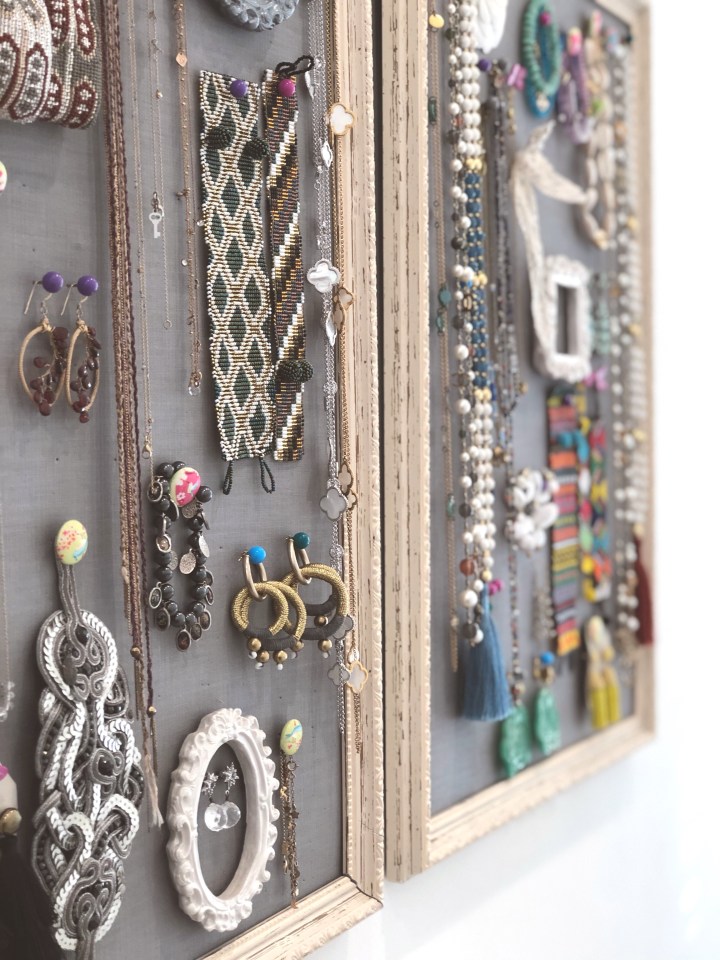
We’ve talked about the pull-out shelves for the shoes, the high shelves for the bags (always standing and with their dustbag and acid paper inside to keep their shape), but also consider empty wall space for costume jewellery. I use two moodboard frames to display some of my costume pieces opposite the closets, it’s pretty and practical. I place clutches in their cloth bags inside an organiser box, again it keeps everything standing and avoids damage.

Tip Five – Curate your wardrobe regularly and be ruthless

I regularly go through sections of my closet and sort through every single item, making three piles: keep, sell, give. Between our nanny and the multiple charities we have access to, it’s easy to give things that I don’t use. I sell everything that is still beautiful and in very good condition in my closet’s Instagram (if you’re curious, it’s Sandra’s Closet) or via a consignment service, which is another reason I try to take such good care of my things: some CSGMs sell for hundreds of dollars, not to mention designer handbags, but only if I’ve been really good about keeping them. By the way, I’m also not ashamed of buying preloved items: I have a few places that I like to visit from time to time to see if that grail of mine has popped up.

Whenever I do a de-clutter exercise, I automatically discard any piece that’s gone unworn for over twelve months (obviously this doesn’t apply to eveningwear). And finally, I follow the one in, one out rule: if I buy something new that has the exact same function or a similar look to something I own, the older version needs to go, it’s the only way to ensure that my wardrobe doesn’t explode… Curating and editing is part of learning about what looks work for me and which don’t, and thankfully I’m making far less mistakes now than fifteen years ago.

There you have them, my five tips to make sure I stay in control of my closet. Now, your turn: how do you curate your wardrobe to keep only your best, favourite looks?

With love, S.

The new office style

I have to say, this whole working from home situation has created a conundrum for me. You see, most days, my usual getting ready routine in the morning involves getting dressed from the shoes up… and most office days, that means high heels, the more fabulous the better. Now, with most of us non essential workers (yes I also feel very valuable thanks to this term…) working from home, high heels are suddenly redundant, much to my chagrin, and in fact I feel a little odd even putting on shoes to walk to my desk, turn on my laptop, and start what usually looks like a never-ending symphony of video calls.

I know, there are some hardcore fashionistas out there who work from home with their 120mm Loubies on and I applaud them; there is also the other end of the spectrum, with the club of pyjama all-day lovers, and actually the other day I was on a video call where someone forgot to put a top on and yet hadn’t realised their camera was on (at least I hope they hadn’t realised). Let’s not judge…

Still, in these strange times where your bed is metres away from your desk, when your children’s headmaster is also your husband, and the school’s recess time with all its squeals often coincides with that big deal conference call about how this funding structure or that guarantee scheme will save the world’s economy, it’s fair to say office style has taken a whole new meaning. Also, why do most people insist on video calls? What is the appeal of a poor resolution image that is badly-lit and weakens the connection? And whilst we’re here, why can’t video call apps have a filter that smooths out wrinkles and exasperated facial expressions….? Dear Microsoft Teams, Zoom and Skype creators, food for thought. Until then, I’ll use a combination of my desk lamp and my selfie light to create the illusion of a glow, and the minute non essential goods are available to buy again in South Africa I’m ordering one of those ring lights used by make-up artists. If you’re going to spend your day on a video call, why not look good.

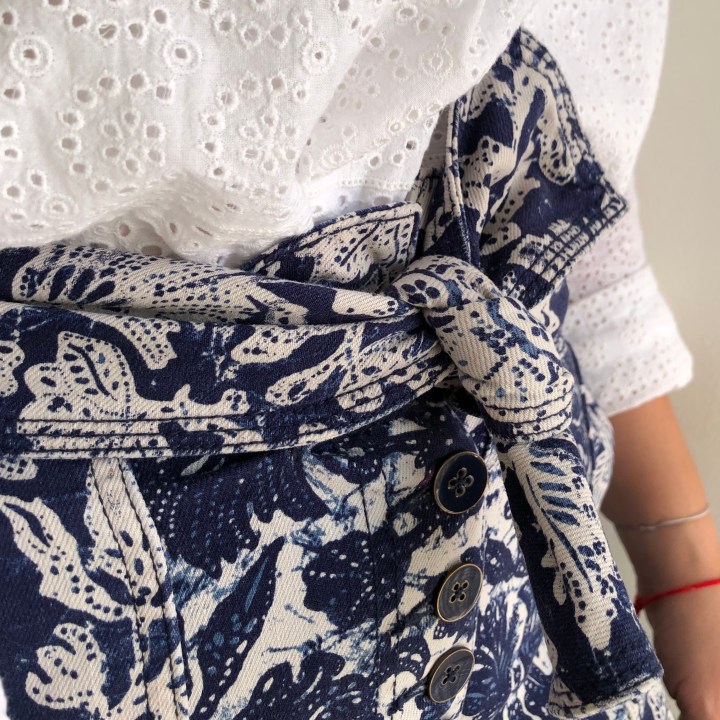
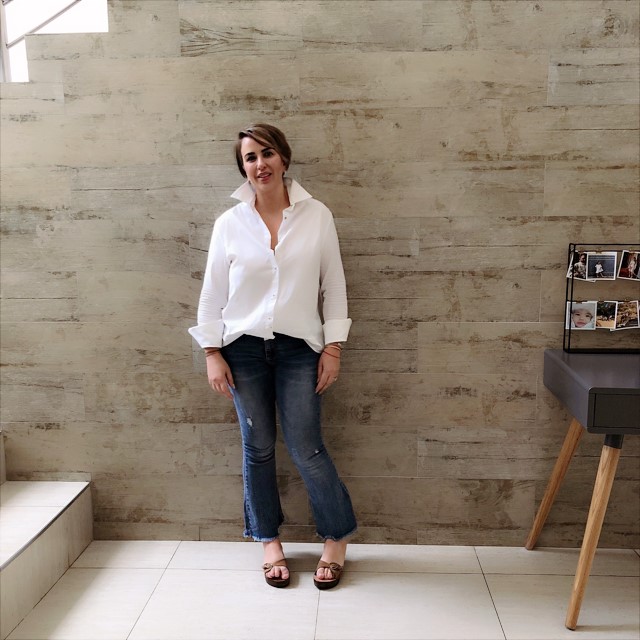
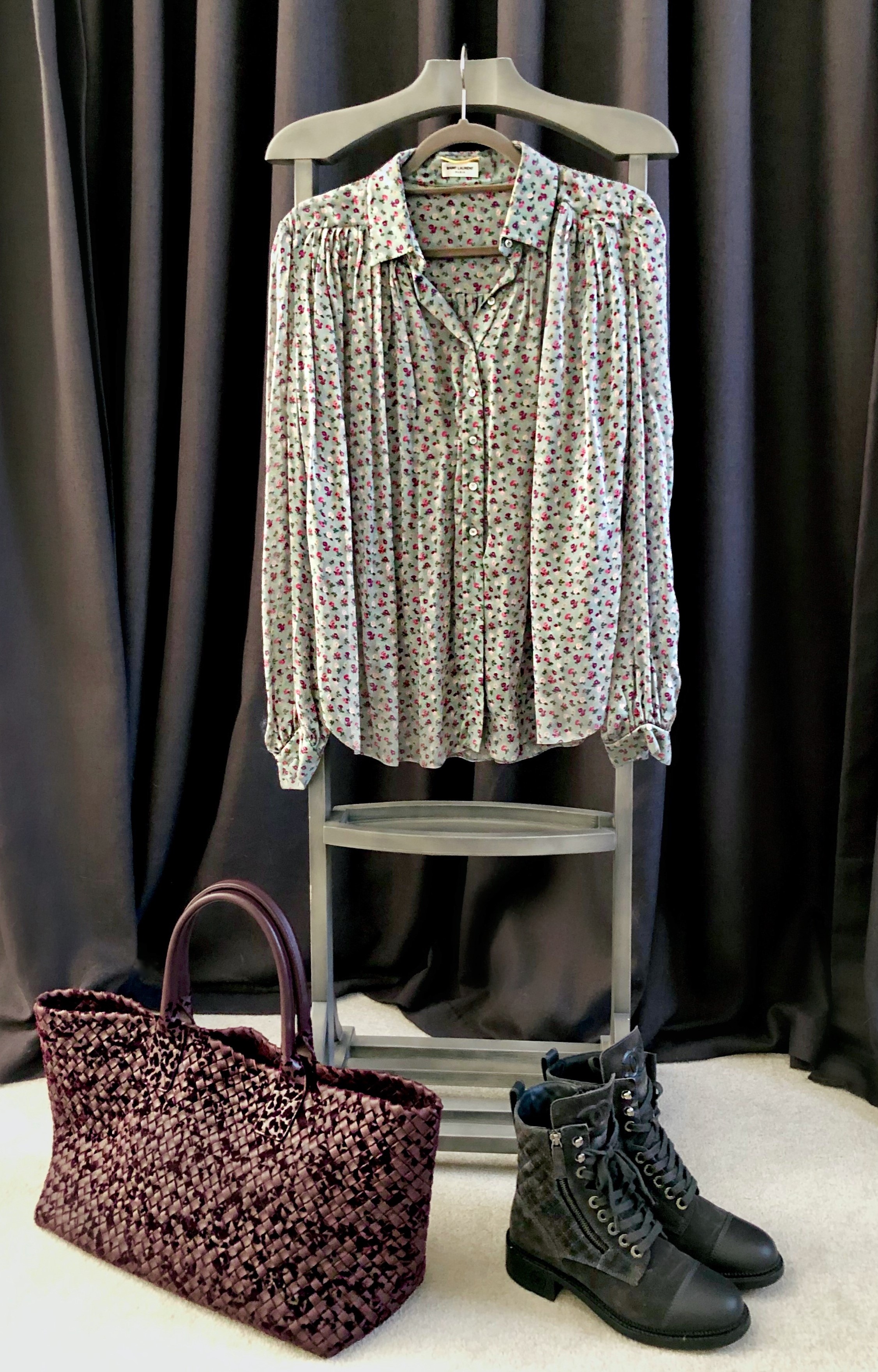
Anyways I digress. You’ll find I do that a lot. We’re talking style, specifically home office style. Getting ready in the morning is still very much a pleasure for me. With the aforementioned video calls in mind, I now start my outfits from the top down. I usually opt for a light top, because that makes a nicer frame for my face on video. I have loads of open embroidery blouses in whites and creams, most of them from Zara, and they are getting use a lot. When I have a very serious meeting ahead, I usually opt for a classic button down, like the one in the photos above, which is Misha Noonoo’s Husband Shirt. Without knowing, one could guess that my bottoms are just joggers, but to date I have not gone there yet; then again we’re only on week four of this lockdown, ask me again in a few weeks and I may be a completely different person. For now, I usually go for jeans (no, I’m not trying to prove anything to anyone, but it helps to make sure they still fit from time to time, what with the fridge and pantry so close to my office) or paperbag carrot trousers, they are my favourite cut at the moment and I love the ease of the knotted belt.

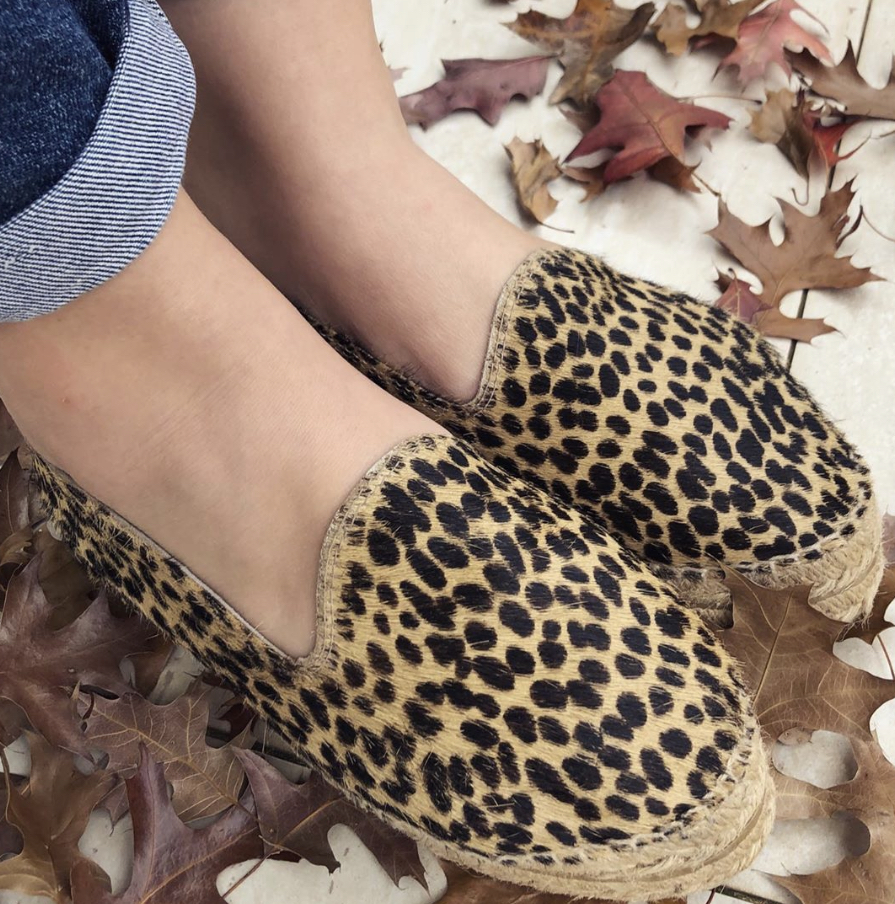
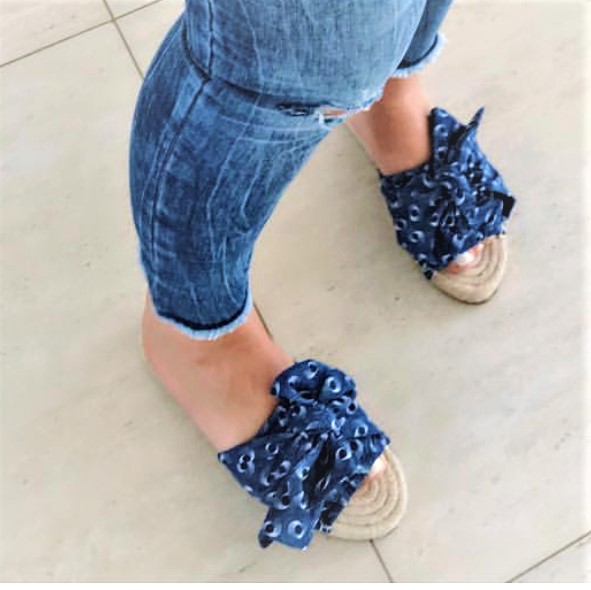
What I miss the most in this new office style is accessories… Picture this: me packing my wallet, mobile phone, make-up goodies etc into my favourite Chanel jumbo, only to walk down the corridor to my home office, how silly would that be? How about me wearing some serious heels, only to take them out as I fold my legs under my to sit more comfortably through virtual meeting number five… I mostly wear flat espadrilles, sometimes a wedge if I’m feeling particularly committed to the stylish cause, but yes, I miss my accessories. Sometimes when it’s a bit chilly, I wear one of my CSGMs, and seeing as we’re going into Autumn and Winter here, with a bit of luck that will be everyday. Until then… let’s just say my home office style is quite basic.

With love, S.